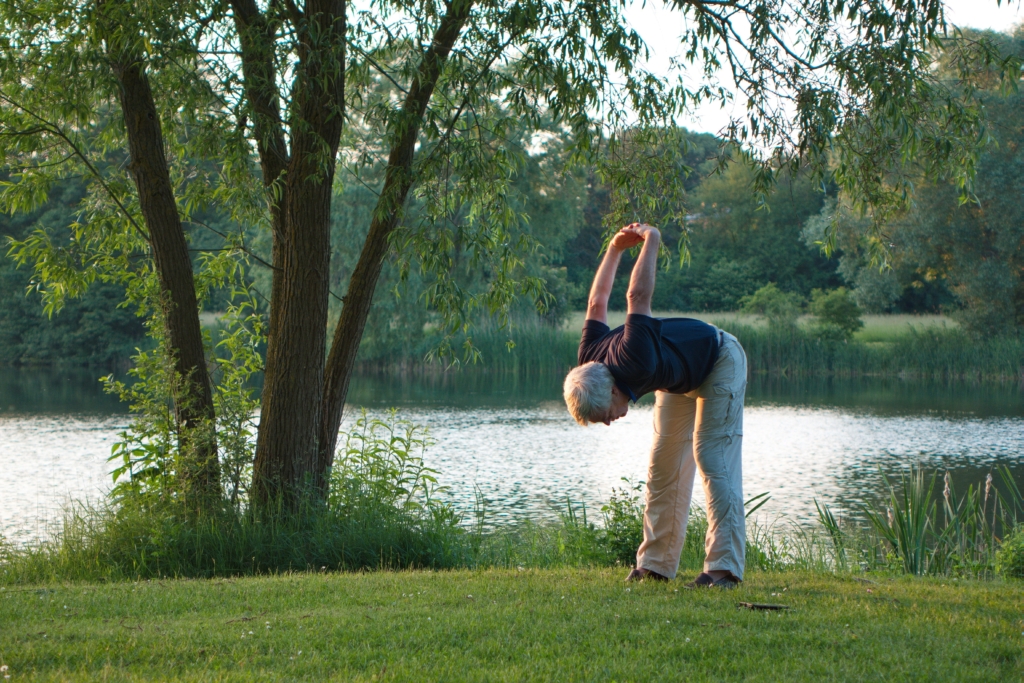
Exercise is one of the most powerful tools for healthy aging. It improves mobility, protects the brain, strengthens the heart, supports balance, and even reduces the risk of chronic disease. But many adults over 60 make one critical mistake: they continue exercising like they did in their 30s and 40s.
What worked decades ago may no longer be the safest or smartest option for aging joints, muscles, and bones. Doctors and physical therapists increasingly warn that certain workouts can quietly increase the risk of injury, inflammation, chronic pain, and even falls in older adults.
That does not mean seniors should stop exercising. In fact, the opposite is true. The key is choosing movements that build strength and resilience without overstressing the body.
Here are some of the most common workouts that can backfire after 60—and the safer alternatives experts now recommend instead.
1. Long-Distance Running → Try Brisk Walking or Interval Walking

Running has undeniable cardiovascular benefits, but repetitive high-impact stress can become difficult on aging knees, hips, and lower backs. Cartilage naturally thins with age, and recovery takes longer.
For some adults over 60, daily long-distance running may contribute to joint pain, shin splints, tendon irritation, or chronic inflammation.
Doctors often recommend brisk walking as a safer long-term alternative. Walking still improves cardiovascular health, burns calories, supports brain function, and helps regulate blood sugar—but with far less impact on the joints.
Even better, interval walking has become increasingly popular among older adults. Alternating between fast and moderate walking can improve endurance without the pounding associated with running.
2. Heavy Deadlifts and Max Lifting → Try Moderate Resistance Training
Strength training remains one of the best things adults can do after 60. It helps preserve muscle mass, protects bone density, and improves balance.
The problem is not strength training itself—it is lifting too heavy with poor recovery.
Max-effort deadlifts, ego lifting, and one-rep max workouts can place excessive strain on the spine and connective tissue. As the body ages, tendons and ligaments become less elastic and more injury-prone.
Instead, doctors often recommend moderate resistance training with controlled movements and proper form. Resistance bands, dumbbells, cable machines, and bodyweight exercises can safely maintain strength without excessive joint compression.
The goal after 60 is not powerlifting records. It is preserving functional strength for everyday life.
3. High-Impact HIIT Classes → Try Low-Impact Cardio Circuits

Many older adults are drawn to intense HIIT workouts because they promise fast fat loss and cardiovascular benefits. But nonstop jumping, burpees, and explosive movements can overload aging joints and increase fall risk.
Some seniors also experience dizziness or blood pressure fluctuations during very intense interval sessions.
Low-impact cardio circuits are often a better choice. These workouts keep the heart rate elevated while reducing stress on knees and ankles. Exercises like step-ups, marching, cycling, swimming, rowing, and controlled bodyweight movements offer similar cardiovascular benefits with lower injury risk.
Consistency matters more than intensity over time.
4. Sit-Ups and Crunches → Try Core Stability Exercises
Traditional crunches and sit-ups are still common in many fitness routines, but doctors increasingly recommend avoiding excessive spinal flexion after 60.
Repeated bending can aggravate neck strain, lower back pain, and disc issues—especially in people with osteoporosis or spinal degeneration.
Instead, physical therapists often encourage core stability exercises that train the abdomen without compressing the spine. Safer options include:
- Bird dogs
- Dead bugs
- Modified planks
- Standing core exercises
- Pelvic tilts
A strong core is essential for balance and posture, but it does not require endless crunches.
5. Deep Squats With Heavy Weight → Try Chair Squats or Supported Squats
Squats are excellent for preserving leg strength and independence. However, deep loaded squats can become risky for adults with knee arthritis, hip issues, or balance limitations.
Doctors often recommend modified versions instead of abandoning the movement entirely.
Chair squats, wall-supported squats, and shallow bodyweight squats can strengthen the legs safely while protecting the joints. Holding onto a stable support also reduces fall risk.
The focus should be controlled movement—not depth or heavy loading.
6. Aggressive Stretching → Try Gentle Mobility Work
Many seniors believe they should stretch harder to stay flexible. Ironically, aggressive stretching can sometimes strain muscles and ligaments instead.
As tissues age, they become less elastic and more sensitive to overstretching.
Experts now recommend gentle mobility exercises rather than forcing extreme flexibility. Slow shoulder circles, hip openers, ankle rotations, tai chi, and yoga modifications help maintain range of motion more safely.
The best stretching routine is one that leaves the body feeling looser—not painful.
7. Exercising Through Pain → Listen to Recovery Signals
One of the most damaging fitness myths is “no pain, no gain.”
While mild muscle fatigue is normal, persistent pain is not something older adults should ignore. Recovery capacity naturally declines with age due to hormonal changes, slower tissue repair, and reduced muscle protein synthesis.
Doctors emphasize the importance of recovery days, sleep, hydration, and proper nutrition after 60.
Warning signs that a workout may be too intense include:
- Lingering joint pain
- Swelling
- Sleep disruption
- Excess fatigue
- Dizziness
- Sharp pain during movement
Rest is not weakness. Recovery is part of training.
What Doctors Actually Recommend After 60
The healthiest fitness plans for older adults are usually surprisingly simple. Most experts now recommend a balanced combination of:
Strength Training
At least 2–3 sessions per week to preserve muscle and bone density.
Walking
One of the safest and most sustainable forms of movement for aging well.
Balance Training
Exercises like tai chi, single-leg stands, and controlled stability work help reduce fall risk.
Mobility Exercises
Gentle movement keeps joints functioning properly and improves posture.
Moderate Cardio
Swimming, cycling, walking, and low-impact aerobics support heart health without excessive stress.
The goal is not extreme performance. It is maintaining independence, energy, mobility, and quality of life.
Why Recovery Matters More After 60
Many older adults underestimate how important recovery becomes with age.
Muscle repair slows down. Inflammation lingers longer. Sleep quality may decline. Even dehydration can affect balance and energy more dramatically than before.
This is why experts increasingly recommend “exercise snacks” throughout the day rather than exhausting marathon workouts.
Short walks, mobility sessions, resistance exercises, and stretching breaks often provide better long-term results than punishing workouts that leave the body depleted.
Consistency beats intensity nearly every time.
The Safest Workout Is the One You Can Sustain
The fitness industry often glorifies extreme routines, but healthy aging rarely comes from punishing the body.
Doctors say the best exercise plan after 60 is one that:
- protects the joints,
- supports balance,
- preserves muscle,
- improves cardiovascular health,
- and feels sustainable for years—not weeks.
A workout should leave older adults feeling energized and capable, not broken down and exhausted.
Because after 60, the smartest fitness strategy is not about proving how hard you can train.
It is about staying strong enough to fully enjoy life.

This alongside regular visits to Indian jungles in search of the Royal Bengal Tiger, fueled her zest for adventure, nature and wildlife.
Now she is a renowned travel blogger, outreach expert and has worked with over 500 travel brands in the last 15 years.


