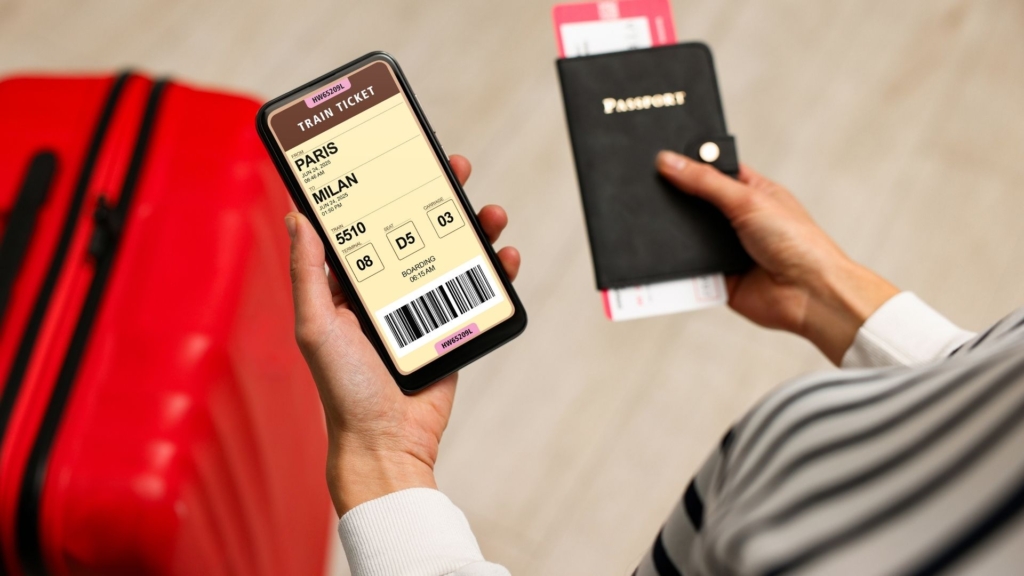
If you’ve ever sat next to someone on a flight and found out they paid half what you did for the exact same seat — same flight, same day, same destination — you probably wondered how that was even possible.
Well, here’s the secret: it often has nothing to do with timing or luck… and everything to do with nationality.
Believe it or not, airlines use complex pricing systems that adjust fares based on where you’re booking from, the language you use, the currency you pay in, and even the passport you carry.
And yes — some nationalities really do get cheaper flights.
Welcome to the world of passport-based pricing, a subtle but powerful system that determines who pays less, who pays more, and why some people seem to always score the best deals.
Let’s dive into the secret ranking of passports that unlock the cheapest flights worldwide — and what you can do to get in on the savings.
1. Why Airlines Don’t Charge Everyone the Same

At first glance, it sounds unfair — but it’s actually the foundation of modern airline economics.
Airlines don’t price tickets by distance or fuel cost alone. Instead, they use something called “dynamic pricing.” This system takes into account demand, purchasing power, and regional market conditions.
Here’s how it works:
If you’re booking a ticket from the United States, the system assumes you have more purchasing power and are willing to pay more for convenience, especially for long-haul flights.
But if you’re booking from, say, India, Colombia, or Eastern Europe, the system knows that average income levels and travel budgets are lower — so it offers lower prices for the same routes.
In other words, airlines charge what they think you can afford.
And the country where you appear to be searching from — or the passport tied to your booking — is part of that calculation.
2. The Countries Where Flights Are Consistently Cheaper
Let’s start with the winners — the countries where locals consistently pay less for international flights.
After analyzing years of travel data and airfare trends (as travel insiders and booking analysts often do), these regions stand out:
1. India
India consistently offers some of the world’s cheapest fares. Airlines know they’re competing with rail and low-cost carriers for passengers. As a result, international tickets departing from India — especially to Europe or the Middle East — are often significantly cheaper than the same routes in reverse.
A round-trip from Delhi to London can sometimes cost half of what a London-to-Delhi ticket costs.
2. Turkey
Thanks to its location between Europe and Asia, Turkey is a major hub for competitive flight deals. Airlines like Turkish Airlines keep fares relatively low to maintain traffic through Istanbul. Travelers booking from Turkey, or using Turkish as their “origin country,” often find international flights 20–40% cheaper.
3. The Philippines
Filipinos are among the most frequent migrant workers in the world, and airlines cater to that market with lower fares and flexible ticket options. Southeast Asia in general — including Thailand, Vietnam, and Indonesia — offers some of the most affordable long-haul ticket prices globally.
4. Portugal
Portugal benefits from being a smaller European market with a cost-sensitive population and a growing tourism sector. Budget airlines dominate the scene, forcing full-service carriers to lower their fares too. Locals (and smart travelers who “book from” Portugal using location tricks) routinely get cheaper tickets than neighboring countries like France or Germany.
5. Colombia
Latin American travelers booking domestically or regionally often enjoy lower fares due to competitive markets and fluctuating currency values. Booking flights in pesos or from Colombian-based travel portals can reveal much lower fares compared to buying from U.S.-based sites.
3. Why Americans and Canadians Often Pay More
If you’re from the U.S. or Canada, here’s the bad news: airlines usually see you as a “high-yield traveler.”
That means they expect you to:
- Book later rather than earlier
- Value convenience and direct routes
- Travel during fixed holiday periods
- Pay with strong currencies
As a result, fares for American or Canadian bookings tend to be inflated — especially when purchased through English-language sites or from U.S.-based IP addresses.
In simple terms, airlines know Western travelers have limited time and more spending power — so they nudge prices upward.
However, that doesn’t mean you’re stuck paying more. It just means you need to think globally when you book.
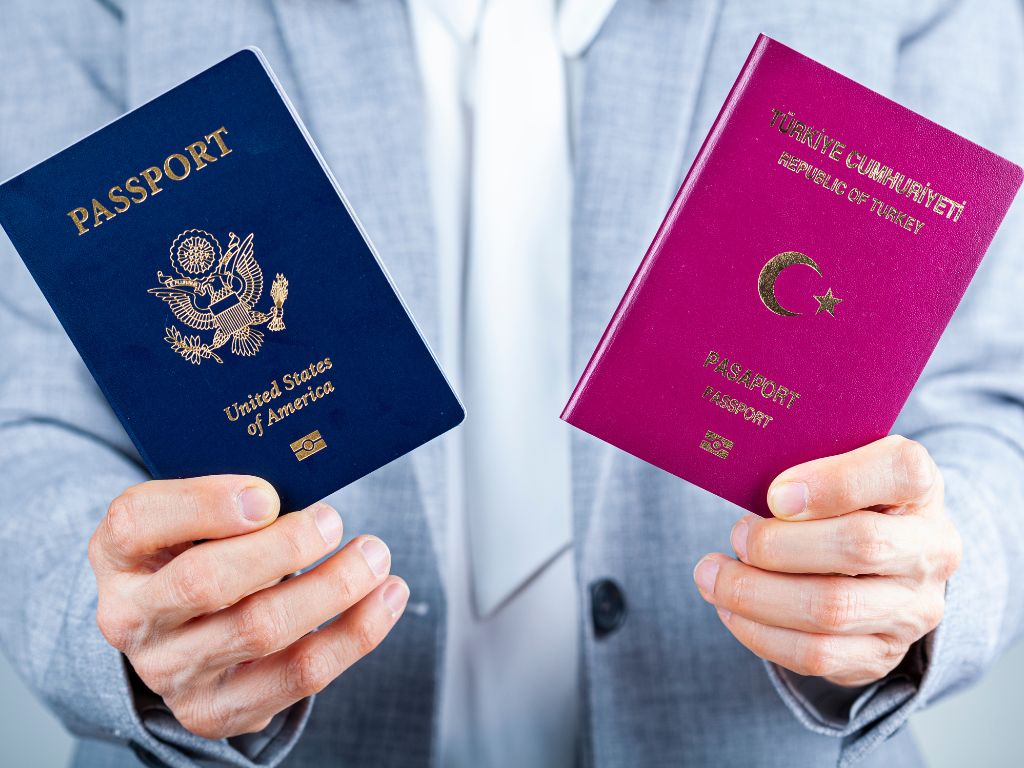
4. The “Local Fare” Loophole: How Travelers Get Around It
Here’s where things get interesting — and where frequent flyers have been quietly saving hundreds for years.
When airlines adjust prices based on where you book, they rely on your IP address, currency, and website version to determine your “origin country.”
For example:
- The same Emirates flight might cost $800 when booked from New York, but $550 when booked from Mumbai.
- A Lufthansa ticket could show a 30% discount if booked through the German-language version of the site versus the English one.
Travelers who know this trick often use virtual private networks (VPNs) to “spoof” their location — pretending they’re booking from a cheaper country. Others simply visit local versions of airline websites or change their region settings manually.
It’s not illegal, and airlines rarely block it — they just quietly hope most travelers never find out.
5. The Hidden Passport Perks That Affect Prices
Beyond where you’re booking from, your nationality can also influence what options are available — and at what cost.
Here are a few ways that happens:
Visa Access
Travelers with passports that offer visa-free access to more countries (like those from the EU, Japan, or Singapore) often have access to more budget options and last-minute sales, because they don’t need to plan around visa timelines.
Payment Systems
Some regional versions of airline websites accept local payment methods — and prices can shift slightly based on the exchange rate or transaction fees. For example, paying in pesos, rupees, or lira sometimes leads to lower effective prices than paying in dollars or euros.
Loyalty Programs
Some national frequent flyer programs have better conversion rates or promo deals for locals. A French Air France member might get exclusive discounts not visible to American users.
Promotional Offers
Certain promotions only appear to specific nationalities or locations — like holiday sales for residents of Spain or local “weekend getaways” in Asia.
Put simply: the passport you carry, and the digital footprint you book with, can open (or close) invisible doors in the airfare system.
6. The Secret Ranking: Which Passports Get the Best Deals Overall

After combining all these factors — average airfare costs, regional competition, and purchasing power — travel analysts often rank nationalities based on who pays the least for flights globally.
Here’s what that ranking generally looks like:
- India – Cheapest fares overall, especially long-haul international flights.
- Turkey – Competitive hub pricing and strong local deals.
- Philippines / Thailand / Vietnam – Incredibly low-cost regional fares.
- Portugal / Spain – Low-cost European competition keeps prices down.
- Poland / Czech Republic – Central European travelers benefit from affordable connections.
- Mexico / Colombia – Regional deals and flexible booking systems.
- Malaysia / Indonesia – Budget carrier dominance keeps airfares cheap.
- United Arab Emirates – Major hub pricing and airline competition.
- Germany / Netherlands – Abundance of flight options drives moderate prices.
- United States / Canada – Higher than average, though competition keeps fares reasonable domestically.
This isn’t a moral ranking — just a practical reflection of how global airfare systems work. The more competition and lower average income a country has, the cheaper its flight prices tend to be.
7. How to “Borrow” the Advantages of Cheaper Nationalities
Even if you don’t hold one of the passports above, there are clever ways to level the playing field.
1. Use Regional Versions of Airline Websites
Try searching the same route from different country settings — for example, visiting “.in” or “.pt” versions of major airline sites. You may find drastically different fares.
2. Change Currency or Language
Switching the site’s language or currency sometimes triggers different regional fares. It’s subtle, but it works surprisingly often.
3. Adjust Your Location
If you’re using a VPN or booking while abroad, you can test how prices shift when your “origin” country changes.
4. Mix & Match Routes
Buying two one-way tickets from different countries can sometimes be cheaper than a single round-trip.
5. Book in the Local Market
If you’re already traveling, consider booking your next flight from within another country — especially if you’re in one of the cheaper regions.
These aren’t “hacks” as much as they are awareness of how airline algorithms think.

8. Why Airlines Won’t Fix This (And Don’t Want To)
It might seem logical to assume that airlines would want to make pricing simpler and fairer. But that’s not how the business works.
Dynamic pricing is one of the airline industry’s biggest profit tools. It allows them to fill every seat, squeeze maximum revenue from wealthier markets, and still attract price-sensitive travelers from lower-income countries.
If everyone suddenly started booking from cheaper locations, airlines would lose billions in yield. That’s why they keep these systems opaque — and why you’ll never see “international pricing comparison” tools on their sites.
9. What This Means for Travelers
At the end of the day, airfare pricing is a reflection of globalization — and inequality.
Where you’re from still shapes what you pay, whether it’s for visas, hotel rates, or plane tickets.
But the silver lining is this: you can play the system, too.
Armed with the right awareness — and maybe a little creative thinking — any traveler can take advantage of global price differences to save big.
The smartest flyers don’t just search once and hit “buy.” They test, compare, and think like locals around the world.
Final Thoughts: Travel Isn’t Equal — But Knowledge Levels the Sky
When it comes to airfare, the passport you carry might quietly influence what you pay — but it doesn’t have to define it.
In a world where some travelers unknowingly spend double for the same journey, the real secret isn’t which nationality gets the cheapest flights.
It’s knowing that you can borrow their advantage with a few smart tweaks.
Next time you search for flights, remember:
- Try another country’s booking page.
- Switch your currency or language.
- Think like a traveler from somewhere else.
Because in the modern world of airfare algorithms, the biggest discount doesn’t go to the loyal — it goes to the curious.