For decades, it sat innocently on kitchen counters, in office break rooms, and inside refrigerators across the world. It was marketed as refreshing, harmless—even healthy in some cases. People reached for it without a second thought.
Until they didn’t.
Now, a growing number of seniors are looking back with regret at one daily habit they once trusted completely—and many believe it quietly damaged their gut health over time.
What makes this story unsettling isn’t just the habit itself. It’s how normal it felt. How routine. How invisible the consequences were—until they weren’t.
“I Thought I Was Making a Better Choice”

For 68-year-old Meera, the switch seemed smart at the time. In her 40s, she cut down on sugar and replaced her daily sweetened beverages with low-calorie alternatives.
“I thought I was doing my body a favor,” she says. “Less sugar, fewer calories—what could go wrong?”
For years, it became part of her identity. A cold glass every afternoon. A can with dinner. Sometimes two.
But in her late 50s, subtle changes began creeping in. Bloating that wouldn’t go away. Irregular digestion. A constant feeling of heaviness, no matter how clean she ate.
“I started eliminating foods one by one, thinking it was something I was eating,” she recalls. “But nothing worked.”
It wasn’t until much later—after multiple doctor visits and dietary experiments—that she began questioning something she had never considered before: what she was drinking every single day.
The Gut Doesn’t Fail Overnight
One of the biggest misconceptions about gut health is that problems show up immediately. In reality, the gut is incredibly resilient—until it isn’t.
Years of small disruptions can slowly shift the balance of bacteria in the digestive system. These changes don’t always scream for attention. Instead, they whisper.
Mild bloating becomes normal. Occasional constipation turns into a pattern. Energy dips are brushed off as “just getting older.”
But behind the scenes, your gut microbiome—the ecosystem of trillions of bacteria living in your digestive tract—may be struggling to maintain balance.
And when that balance tips too far, symptoms begin to stack.
The Habit That Flew Under the Radar
Many seniors now point to one common thread: years of consuming artificially sweetened drinks or heavily processed beverages marketed as “diet” or “zero sugar.”
These drinks often contain sugar substitutes designed to mimic sweetness without the calories. For years, they were seen as a healthier alternative to traditional sugary drinks.
But emerging discussions in the health world suggest the story may be more complicated.
Some experts believe that certain sweeteners may interact with gut bacteria in unexpected ways—potentially altering the microbiome over time. While research is still evolving, anecdotal experiences from long-term consumers are raising eyebrows.
“I drank two cans every day for almost 20 years,” says Rajiv, 72. “I never had major issues until my 60s. Then suddenly, my digestion just fell apart.”
He describes constant discomfort, sensitivity to foods he once tolerated easily, and a frustrating cycle of trial-and-error diets.
“I kept thinking it was aging. But once I cut those drinks out completely, things slowly started improving. Not overnight—but enough to notice.”
When “Zero” Doesn’t Mean Neutral
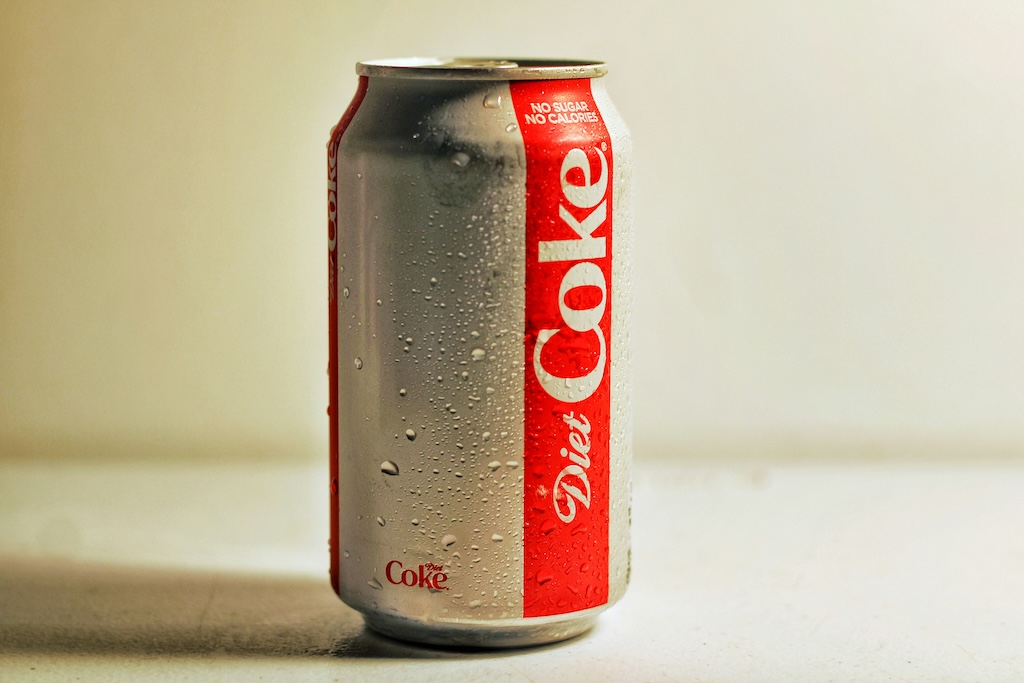
The appeal of diet beverages has always been simple: enjoy the taste without the consequences.
But the human body doesn’t always interpret “zero calories” as “zero impact.”
Some researchers suggest that intense sweetness—without accompanying calories—may confuse metabolic signals. Others are exploring how these compounds interact directly with gut bacteria.
The gut microbiome thrives on diversity and balance. Introducing substances that it doesn’t fully recognize or process may, over time, influence which bacteria flourish and which decline.
This doesn’t mean everyone who consumes these drinks will experience problems. But for some individuals—especially over decades of daily use—the effects may accumulate in subtle but meaningful ways.
The Delayed Realization
One of the most striking patterns among seniors is how long it took to connect the dots.
“I never once thought my drink could be the issue,” says Anita, 70. “I blamed everything else—gluten, dairy, stress. I tried every diet you can imagine.”
It wasn’t until her daughter suggested eliminating all processed drinks for a month that she noticed a shift.
“The bloating reduced. My stomach felt calmer. I had more energy. It wasn’t a miracle, but it was enough to make me rethink everything.”
For many, the realization comes late—not because the information wasn’t available, but because the habit felt too ordinary to question.
Why the Gut Matters More Than Ever
Gut health isn’t just about digestion. It plays a role in everything from immune function to mood regulation.
As we age, maintaining a healthy gut becomes even more important. The diversity of gut bacteria naturally declines over time, making it easier for imbalances to develop.
This is why seemingly small daily choices—what you eat, what you drink, how you manage stress—can have a larger impact than expected.
When the gut is out of balance, the effects can ripple across the body:
- Persistent fatigue
- Increased sensitivity to certain foods
- Weakened immunity
- Skin issues
- Even changes in mood and mental clarity
For seniors already navigating the natural changes of aging, these additional challenges can feel overwhelming.
Not All Bodies React the Same
It’s important to acknowledge that not everyone will experience the same effects.
Some people consume diet drinks for years without noticeable issues. Others may be more sensitive due to genetics, existing gut conditions, or overall lifestyle.
But the stories emerging from long-term users share a common theme: the habit felt harmless—until it didn’t.
And by the time symptoms appeared, the connection wasn’t obvious.
The Turning Point
For many seniors, the shift didn’t come from a single diagnosis or dramatic warning. It came from frustration.
After trying multiple diets, supplements, and treatments, they began simplifying.
Cutting out processed drinks. Returning to basic hydration. Paying attention to how their bodies responded.
“I didn’t replace it with anything fancy,” says Rajiv. “Just water, sometimes coconut water. Within weeks, I felt lighter.”
Others describe gradual improvements rather than dramatic transformations. Less bloating. More predictable digestion. A sense of stability that had been missing for years.
What Experts Are Saying Now
While research on artificial sweeteners and gut health is still ongoing, many health professionals are encouraging a more cautious approach—especially for long-term, daily consumption.
Rather than focusing on extremes, the advice is often simple:
- Reduce reliance on ultra-processed drinks
- Prioritize whole, natural sources of hydration
- Pay attention to how your body responds over time
The goal isn’t fear—it’s awareness.
The Bigger Lesson
If there’s one takeaway from these stories, it’s this: the most impactful habits are often the ones we don’t question.
Because they feel normal. Because they’re marketed as safe. Because everyone around us is doing the same thing.
But the body keeps score in ways that aren’t always immediate.
A daily habit, repeated over decades, can quietly shape your health—either supporting it or slowly working against it.
“If I Could Go Back…”
When asked what they would tell their younger selves, many seniors offer a similar reflection.
“I wish I had paid more attention,” Meera says. “Not just to what I ate, but what I drank every single day.”
It’s not about regret as much as it is about perspective.
Because the truth is, no single habit guarantees harm. But unquestioned habits—especially over long periods—deserve a closer look.
So, Should You Be Concerned?
Not necessarily alarmed—but curious.
If you rely heavily on any one daily drink, especially processed or artificially sweetened ones, it may be worth experimenting.
Try reducing it. Observe how your body feels over a few weeks. Notice changes in digestion, energy, and overall comfort.
You don’t need a drastic overhaul. Sometimes, small shifts reveal more than expected.
The Quiet Power of Awareness
Gut health doesn’t collapse overnight. And it doesn’t rebuild overnight either.
But awareness is often the first step.
The seniors sharing these stories aren’t claiming certainty. They’re sharing patterns. Experiences. Lessons learned later than they would have liked.
And in doing so, they offer something valuable: a reminder to question the habits that feel too normal to notice.
Because sometimes, the most significant changes begin with the simplest question:
“What am I doing every single day… without thinking about it?”

This alongside regular visits to Indian jungles in search of the Royal Bengal Tiger, fueled her zest for adventure, nature and wildlife.
Now she is a renowned travel blogger, outreach expert and has worked with over 500 travel brands in the last 15 years.


