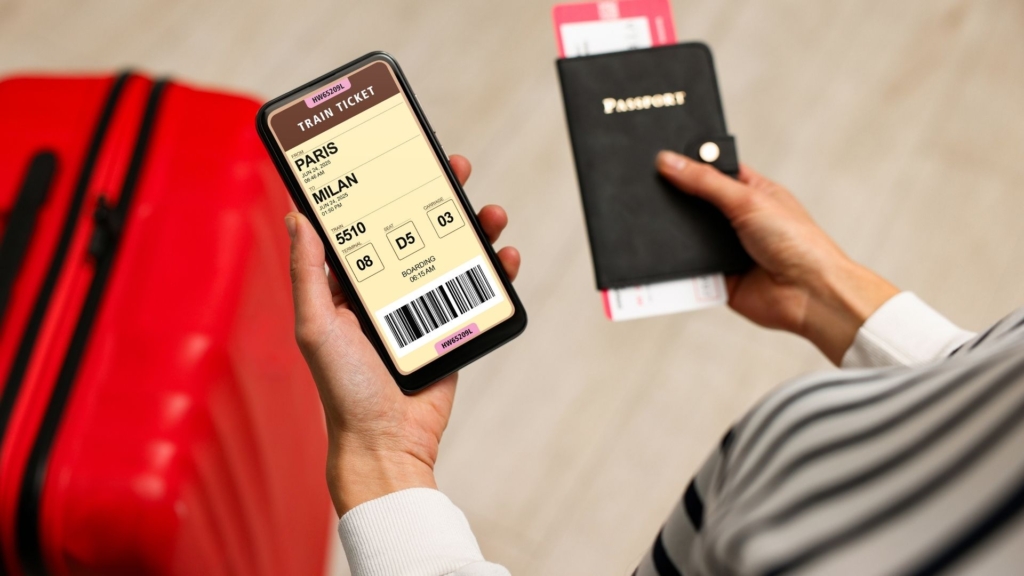
Picture this: You’re at the airport, exhausted, balancing your carry-on and passport while inching toward a security checkpoint that looks like a never-ending snake of jet-lagged travelers. Ahead of you, a few people glide through a separate lane — no waiting, no questions, no stress.
You glance closer. They’re not diplomats. They’re not airline crew. They’re just like you — but with one crucial difference.
They’re expats with residency cards, and they’re quietly unlocking travel privileges most people don’t even know exist.
Residency cards aren’t just permission to live somewhere. They’re golden keys that open doors — sometimes literally — to a faster, cheaper, and smoother travel life.
Let’s unpack how they work, why they’re more powerful than most passports, and how expats use them to travel smarter, not harder.
1. What a Residency Card Actually Is (and Why It’s Different from a Visa)

First, let’s clear up the confusion.
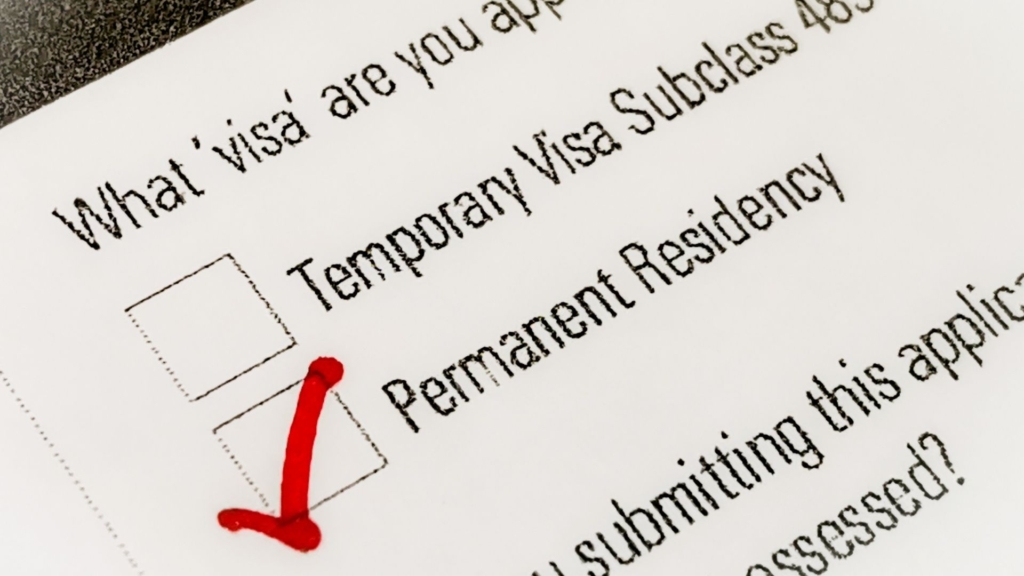
A residency card isn’t a tourist visa. It’s a document issued by a country that officially recognizes you as a resident — temporary or permanent — even if you’re not a citizen.
That small plastic card, often with your photo and ID number, can give you the right to:
- Live and work in a country long-term
- Access local healthcare and services
- Travel in and out of that country without needing repeated visa applications
But here’s the part that most people don’t realize:
A residency card often changes how other countries treat you — especially at borders, airports, and even when buying plane tickets.
2. How Residency Cards Make Travel Smoother
For frequent travelers and digital nomads, the difference between “tourist” and “resident” status can feel like night and day.
Here’s how residency cards quietly smooth out the chaos:
Skip Immigration Lines
Many countries have separate lanes for residents and citizens. If you hold a residency card, you can use these instead of the slower “All Passports” or “Foreign Nationals” lines.
That means shorter queues, less questioning, and faster entry. For busy airports — think Madrid, Lisbon, or Berlin — this can shave an hour off your arrival time.
No More Exit Paperwork
Some countries require visitors to fill out exit cards or show proof of onward travel. Residents don’t. A swipe of your card and you’re cleared.
Automatic Passport Scanning
In certain regions (like the EU’s Schengen Area), residency cards allow holders to use e-gates, just like citizens. You slide in your passport, scan your residency chip, and breeze through — no officer, no stamping.
Easier Re-Entry
If you’re an expat who travels frequently for work or leisure, a residency card acts like a permanent “welcome back” pass. Even if your passport requires a visa, your residency card can override that need for the country that issued it.
3. How Expats Save Money Using Residency Status
This is where things get really interesting — because residency cards don’t just save time, they save money.
Here’s how expats quietly keep their travel budgets lean while the rest of the world pays full price:
Local Pricing Privileges
In many parts of the world — from Europe to Southeast Asia — locals get discounts on trains, attractions, and even flights.
Once you have a residency card, you often qualify for local pricing, even if you’re not a citizen.
That means:
- Cheaper domestic airfare
- Reduced museum or national park entry fees
- Lower public transport costs
It’s one of the most overlooked perks of living abroad.
Avoiding “Tourist Tax” Fees
Tourist taxes are increasingly common — especially in Europe and island destinations. Hotels, rentals, and even airports charge them to nonresidents.
Residency cardholders? Usually exempt.
That’s why seasoned expats flash their cards at check-in — not for identification, but to skip extra charges that tourists never question.
Banking & Payment Advantages
Having a residency card also allows you to open local bank accounts. That means no more foreign transaction fees or exchange-rate markups when you’re booking travel or paying in local currency.
If you’ve ever watched your credit card tack on 3% every time you buy a train ticket, you know how fast those “invisible” costs add up.
4. Residency Cards as “Travel Passports”
Here’s where the power of residency cards really shines: mobility freedom.
In many regions, your residency can grant you access far beyond your host country’s borders.
Inside the Schengen Zone
If you have a residency card from any Schengen member country (like France, Germany, or Portugal), you can travel freely within the entire zone — that’s 27 countries — without extra visas or stamps.
You effectively hold the same movement rights as EU citizens for short stays.
That means you could live in Lisbon, hop to Paris for a long weekend, then spend a week in Italy — all with no border stops.
Regional Perks Elsewhere
In South America, having residency in one country (say, Chile or Argentina) often grants easier travel or longer stays in neighboring nations.
In Southeast Asia, residency can fast-track re-entry or bypass certain visa runs.
And in parts of the Caribbean, holding a regional residency can open doors to other islands’ short-stay privileges — a major perk for island-hopping travelers.
5. How Expats Use Residency to “Hack” Their Lifestyle
Residency cards aren’t just travel tools — they’re lifestyle multipliers.
Here’s how clever expats turn them into travel superpowers:
The “Home Base” Strategy
Instead of bouncing between short-term visas, expats establish a legal home in a country with easy travel access — like Portugal, Mexico, or Thailand.
From there, they explore the world while keeping one foot in a stable, affordable base.
This approach:
- Reduces visa stress
- Lowers housing costs
- Simplifies taxes and healthcare access
Residency gives you a hub — a place to return to, recharge, and launch your next adventure.
The “Dual Identity” Advantage
Expats with residency often enjoy what digital nomads dream of: the ability to move like a local, but think like a global traveler.
You might pay local rates for domestic travel while still earning or spending in a stronger currency — effectively stretching your income further.
That’s how seasoned expats afford more frequent trips without technically increasing their budgets.
Smart Border Hopping
Residency also gives expats breathing room between visa runs. For example, if your passport limits your stay in certain regions, your residency often resets the timer or allows you to bypass restrictions entirely.
Instead of juggling exit dates, you can plan trips based on interest — not bureaucracy.
6. The Airport Advantage
Airports are where residency cards quietly flex their power.
Fast-Track Security & Immigration
Many airports now allow residents to use automated e-gates, even if they’re not citizens. Some even include residency holders in trusted traveler lanes normally reserved for frequent flyers.
Imagine skipping a 90-minute line in a major hub just because you’ve got a small piece of plastic that says you belong.
Simpler Documentation
Residency often reduces paperwork. Instead of juggling return ticket proofs, onward flights, or hotel confirmations, you can simply say, “I live here.”
That statement changes how immigration officers treat you — from a short-term visitor to a long-term part of the system.
Priority Airport Services
In certain countries, residents get access to resident-only airport counters or even reduced departure taxes.
It’s not glamorous — but it adds up. When you travel often, shaving 20 minutes off every airport interaction is like adding extra hours to your life.
7. The Secret Power of Looking Local
There’s also a psychological side to residency that most people underestimate.
When you live abroad, speak a bit of the language, and flash a residency card, you stop being “just another tourist.”
That shift has real-world benefits:
- Locals treat you differently — often with more trust and respect.
- You’re less likely to get overcharged or targeted by tourist scams.
- You can negotiate, ask questions, and move through spaces with quiet confidence.
Travel becomes easier not because borders vanish — but because barriers do.
You’re no longer an outsider looking in. You’re someone who belongs, even if only partially.
8. The Budget-Friendly Benefits Few Talk About
One of the biggest misconceptions about residency is that it’s expensive.
In reality, many expats save thousands each year by living somewhere affordable and leveraging residency benefits.
Here’s how that looks in practice:
- You fly locally more often instead of internationally.
- You pay local taxes and rates instead of inflated tourist prices.
- You qualify for resident health coverage, cutting travel insurance costs.
- You can store belongings abroad instead of constantly re-buying gear while traveling.
Over time, the financial advantages compound.
Being based abroad doesn’t just stretch your budget — it builds a lifestyle that rewards slow, intentional travel instead of frantic, overpriced movement.
9. When Residency Becomes Freedom
Ultimately, a residency card represents something far bigger than travel perks. It’s freedom on paper.
Freedom to come and go without worrying about visa stamps.
Freedom to access local life — to join a gym, open a bank account, sign a lease, or just walk through immigration like you belong there.
Freedom to make a foreign country feel like home.
That’s what most travelers don’t realize: you don’t need to be a millionaire or a diplomat to move through the world with ease. You just need to understand how systems work — and position yourself to benefit from them.

10. Final Thoughts: The World Belongs to the Prepared
In a world where everyone is chasing travel deals, the real advantage isn’t always about money — it’s about status, access, and knowledge.
Residency cards are one of those under-the-radar tools that separate casual travelers from seasoned global citizens.
They don’t flash or brag. They just work.
They quietly open gates, erase fees, and streamline borders — one swipe at a time.
So if you’ve ever dreamed of living abroad, or wondered why expats seem to glide through the same airports where you get stuck in line, now you know.
It’s not magic. It’s not luck.
It’s residency.
And once you hold that card, the world stops feeling foreign — and starts feeling like home.