For the better part of two decades, the tech world was obsessed with one word: Convergence. We wanted our phones to be our cameras, our GPS, our wallets, and our workstations. But by 2026, the “all-in-one” dream has turned into a digital nightmare. The average professional is now bombarded by over 200 notifications a day, their attention span has shrunk to seconds, and “digital burnout” is a recognized medical condition.
In a surprising twist, the people leading the charge away from this hyper-connected chaos aren’t the luddites or the elderly—they are the power users. Developers, engineers, and digital marketers who spent their careers building the “attention economy” are now the ones buying devices that do less.
This is the rise of “Analog Tech” or Minimalist Devices. It’s a movement that prioritizes focus over features and peace of mind over pixels. Here is why the smartest people in the room are simplifying their pockets in 2026.
1. The “Dumbphone” Renaissance: The Light Phone III and Beyond
The smartphone has become a “slot machine in your pocket.” Apps are engineered by teams of psychologists to keep you scrolling. In response, 2026 has seen a massive spike in the sales of E-Ink phones.
The Shift: Devices like the Light Phone III or the Punkt MP02 have become status symbols among the tech elite. These phones have no social media, no browser, and no infinite scroll. They do three things: call, text, and provide basic utility (like a calculator or a simple map).
- The “Power User” Logic: By removing the temptation of “quick checks” on Instagram or Slack, these users are regaining 3 to 4 hours of “deep work” time every single day. They use a powerful PC for work and a “dumb” phone for life.
2. E-Ink Tablets: The Return of the “Digital Paper”
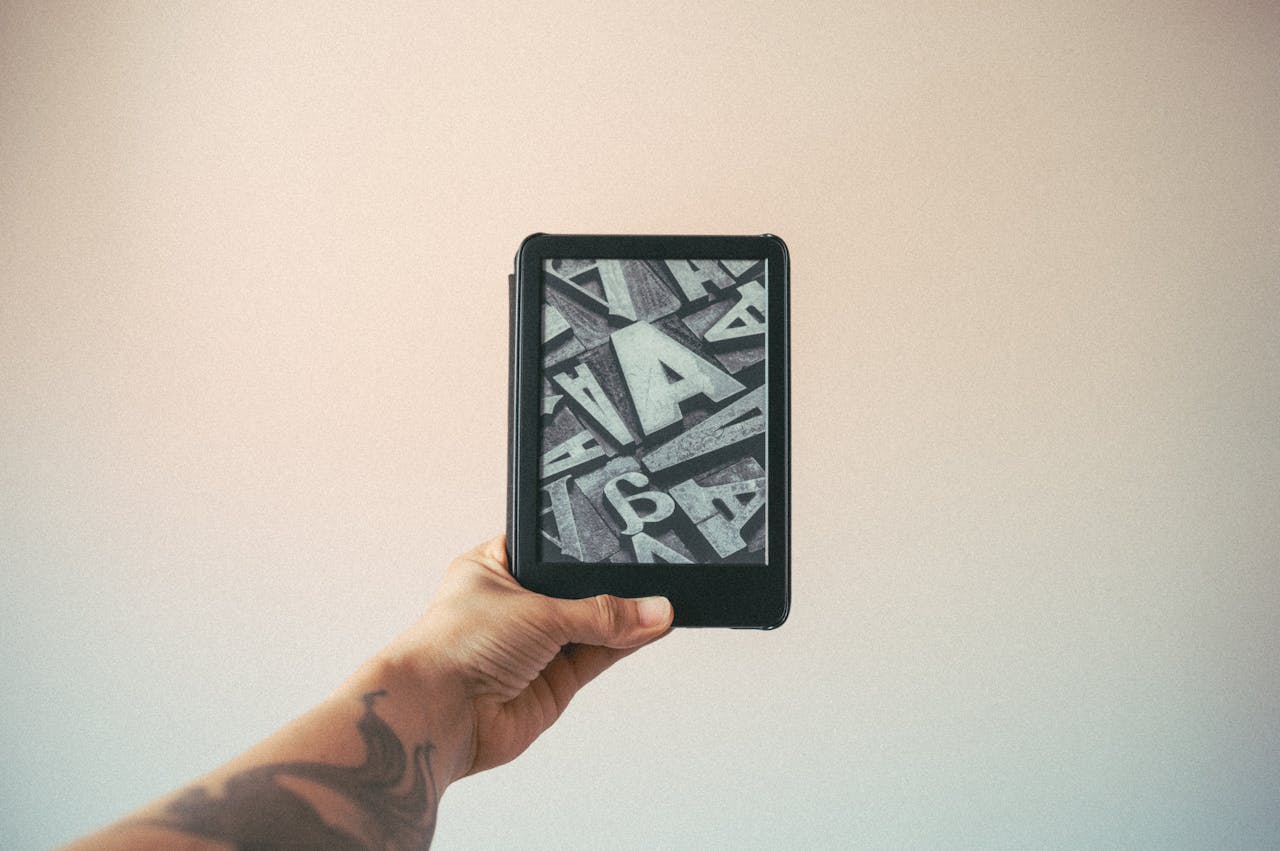
For those who need to read and annotate but hate the eye strain of OLED screens, E-Ink technology has finally matured. Tablets like the Remarkable 3 or the Boox Note series are replacing the iPad for serious thinkers.
The Shift: These devices mimic the physics of paper. There are no pop-up notifications, no backlight to ruin your circadian rhythm, and no blue light.
- Why it’s Savvy: Writing by hand is scientifically proven to improve memory retention and conceptual understanding. The tech-savvy crowd is realizing that typing notes on a laptop is a “passive” activity, while writing on a digital paper tablet is an “active” one that fosters creativity without the distractions of the open web.
3. The “Single-Tasking” Hardware Movement
In the 2010s, we wanted multi-tasking. In 2026, we want immersion. This has led to the revival of dedicated hardware for single tasks.
The Culprits:
- Digital Typewriters: Devices like the Astrohaus Freewrite are distraction-free drafting tools. They have a mechanical keyboard and a small E-Ink screen. You can only type. No editing, no browsing, no emails.
- Dedicated Music Players (DAPs): High-end audio enthusiasts are ditching Spotify on their phones for dedicated players (like those from FiiO or Astel & Kern). They want to listen to a high-fidelity album from start to finish without a “Low Battery” or “WhatsApp” notification interrupting the bridge of the song.
4. The “Quiet Luxury” of Privacy
Minimalist devices aren’t just about focus; they are about data sovereignty. A smartphone is a tracking device that feeds data to advertising giants. A minimalist device often operates on a “local-first” or encrypted basis.
The Trend: Many tech-savvy users are opting for devices that don’t have cameras, microphones, or GPS tracking. In 2026, privacy is the ultimate luxury. Moving “analog” is a mechanical way to opt out of the surveillance capitalism that defines modern life. It’s a way to reclaim your movements and your thoughts as your own.
5. Reclaiming the “Physicality” of Life
There is a growing realization that digital experiences are “thin.” Taking a photo on a phone is free and instant, which makes the photo feel worthless.
The Shift: The rise of Mechanical Everything.
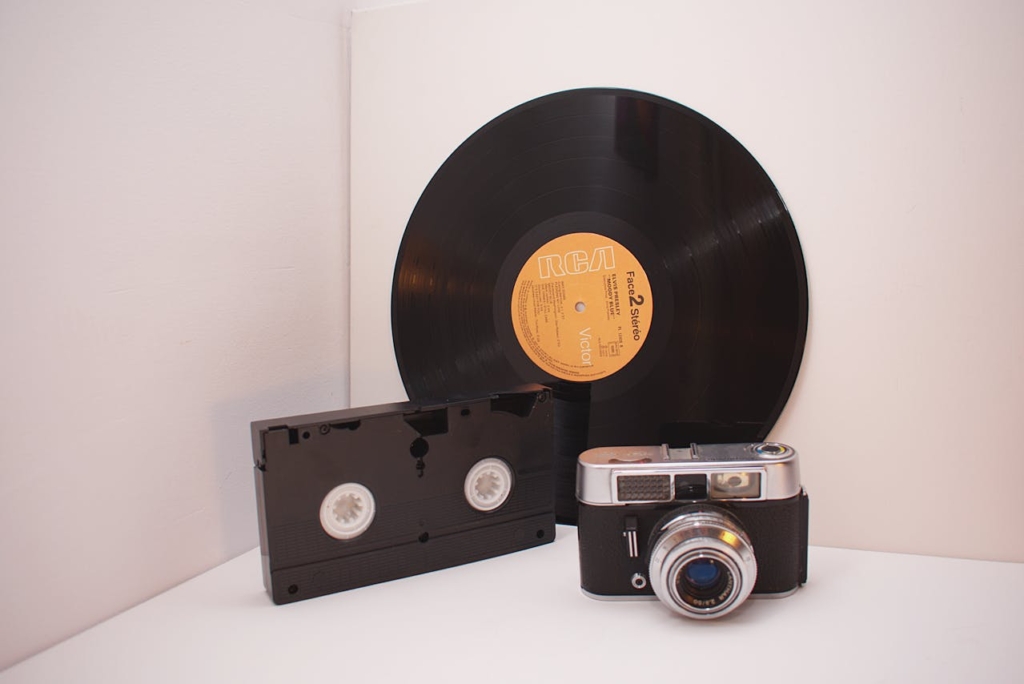
- Film Photography: High-end mechanical cameras (like the Leica M series or even refurbished 90s Nikons) are booming. The mechanical “thud” of a shutter and the 24-exposure limit force the photographer to actually look at the world.
- Vinyl and Physical Media: In an era where a streaming service can “delete” your favorite movie or album overnight, tech-savvy people are building physical libraries. If you own the record, nobody can take it away from you.

6. How to Transition: The “Minimalist Stack”
If you want to join the 2026 Analog movement without losing your job or your mind, experts suggest a “Hybrid Stack” approach:
- The Workstation: A high-performance, multi-monitor PC (like your i5/GTX 1060 setup) where you do 100% of your professional tasks.
- The Life Device: A minimalist phone or a smartphone with “Greyscale Mode” permanently turned on and all social media apps deleted.
- The Creative Tool: A paper notebook or an E-Ink tablet for brainstorming.
- The Leisure Tool: A dedicated Kindle for reading or a high-res DAP for music.
Conclusion
The “Analog” trend of 2026 isn’t about going back to the Stone Age. It’s about intentionality. It’s the realization that our brains were not designed to be connected to 8 billion people 24 hours a day.
The most tech-savvy people are those who understand technology well enough to know when to turn it off. By choosing minimalist devices, they aren’t losing out on the world—they are finally gaining the focus, the privacy, and the mental clarity to actually enjoy it. In 2026, the coolest thing you can do with your tech is use it to disappear.

- Forget the Expensive Supplements: 5 Science-Backed Health Habits That Cost 0 - April 12, 2026
- Why the Most Tech-Savvy People Are Going “Analog” This Year: The Rise of Minimalist Devices - April 12, 2026
- The Kitchen Detox: 3 Tools You Need to Throw Away Right Now to Reduce Microplastics in Your Food - April 12, 2026


