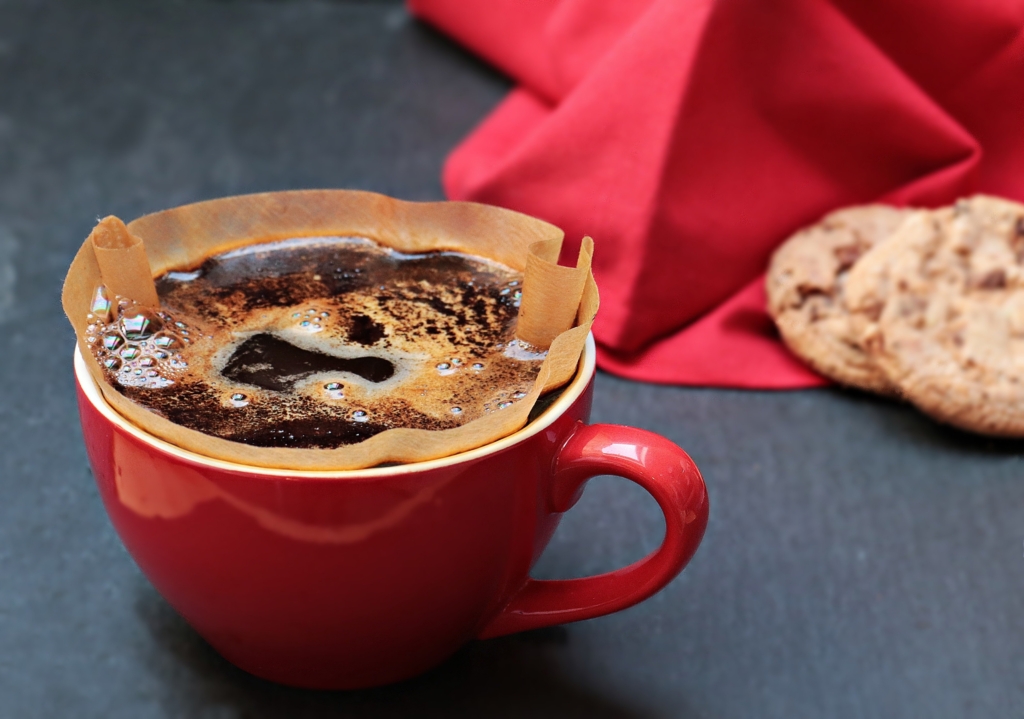
For many travelers, visiting cafés is no longer just about getting a quick caffeine fix. Coffee culture has evolved into an experience — something that reflects local creativity, sustainability, and global flavor influences. From Tokyo to Copenhagen and from Melbourne to Mexico City, cafés are experimenting with new ingredients, brewing styles, and presentation techniques that turn coffee into a craft.
In recent years, several trends have emerged that travelers consistently notice when visiting coffee shops abroad. These trends reflect broader changes in consumer behavior: people want unique flavors, visually appealing drinks, ethical sourcing, and immersive café experiences.
Here are some of the most important coffee trends currently appearing in cafés around the world — and why travelers are increasingly seeking them out.
Coffee as an Experience: The Rise of Coffee Omakase
One of the most intriguing developments in global café culture is the concept of coffee omakase.
Inspired by Japanese dining traditions, coffee omakase offers a curated tasting experience where baristas guide guests through multiple courses of coffee beverages. These sessions often include carefully prepared pour-overs, espresso variations, coffee mocktails, and small food pairings designed to highlight different flavors.
Instead of ordering a single drink at the counter, guests sit at a bar and watch the barista prepare each course. The experience emphasizes craftsmanship, storytelling, and sensory exploration.
Coffee omakase first gained traction in parts of Asia before expanding to cities like San Francisco, Los Angeles, London, and New York, where specialty cafés now offer multi-course tastings that can last more than an hour.
For travelers, the appeal is obvious: it transforms a simple coffee break into a memorable cultural experience. Rather than rushing through a takeaway latte, visitors engage with the brewing process, learn about different coffee origins, and taste varieties they might never have discovered otherwise.
As specialty coffee continues to mature, experiences like coffee omakase suggest that cafés are evolving closer to restaurants in terms of hospitality and storytelling.
The Global Spread of Dirty Coffee
Another trend travelers frequently encounter is dirty coffee.
This visually striking drink originated in Asian cafés, particularly in Japan and Taiwan. It consists of a shot of hot espresso poured over chilled milk, creating distinct layers and a temperature contrast between the two elements.
The result is a smooth yet bold beverage that highlights the flavor of the espresso while still being creamy and refreshing. Because the espresso is poured directly onto cold milk, the drink maintains a gradient from warm to cold as you sip it.
Dirty coffee quickly spread across Asia and has now appeared in cafés across Europe, North America, and Australia. Baristas are experimenting with creative variations such as:
- Matcha dirty coffee
- Chocolate dirty coffee
- Coconut dirty coffee
- Hojicha dirty latte
The drink’s layered presentation also makes it highly photogenic, which has helped fuel its popularity on social media.
For travelers exploring specialty cafés, spotting a dirty coffee on the menu is now almost a signal that the café is part of the modern specialty coffee movement.
Asian Flavor Profiles Are Influencing Coffee Menus
Another major global trend is the growing influence of Asian ingredients and flavor profiles in coffee beverages.
Cafés around the world are experimenting with ingredients traditionally associated with Asian desserts and drinks. Popular examples include:
- Ube (purple yam)
- Pandan
- Coconut
- Black sesame
- Palm sugar
These flavors have been appearing more frequently in international coffee chains and specialty cafés alike.
For travelers, this trend offers a chance to taste global culture in a cup. A café in London might serve a coconut cold brew inspired by Southeast Asian coffee traditions, while a shop in Toronto might offer an ube latte reminiscent of Filipino desserts.
The blending of coffee with regional flavors reflects a broader shift in the industry: coffee is no longer isolated from culinary culture. Instead, it is becoming part of a larger global food conversation.
Cold Foam Becomes a Creative Canvas
Cold foam is not new, but in recent years it has become one of the most versatile elements in modern coffee drinks.
Originally popularized by large coffee chains, cold foam has been adopted by specialty cafés that now create artisanal versions using fresh cream, milk alternatives, and natural sweeteners.
Instead of plain vanilla foam, cafés are experimenting with flavors such as:
- Honey cold foam
- Salted caramel foam
- Coconut cream foam
- Pandan cold foam
The appeal of cold foam lies in texture. It adds a velvety layer on top of iced drinks without making them overly heavy or sugary.
For travelers, this trend often appears in modern café menus where baristas focus on visual presentation and layered textures. Watching foam slowly blend into cold brew or iced espresso adds an element of theater that customers enjoy.
Cold foam also aligns with the growing demand for iced coffee beverages, especially in warmer climates and among younger drinkers.

Coffee Meets Mixology
Another emerging trend is the blending of coffee with mixology techniques.
Rather than simple espresso drinks, many cafés now serve beverages that resemble alcohol-free cocktails. These drinks combine espresso with ingredients such as citrus, tonic water, herbs, and spices.
One of the most popular examples is the espresso tonic, a refreshing drink made by pouring espresso over sparkling tonic water and often garnished with citrus or herbs.
Baristas are now taking the concept further by creating coffee mocktails using ingredients like:
- Yuzu or grapefruit
- Rosemary or basil
- Lemongrass or ginger
- Specialty tonic syrups
The result is a complex drink that balances bitterness, acidity, sweetness, and carbonation.
Travelers increasingly encounter these drinks in specialty cafés that draw inspiration from cocktail bars. The goal is to make coffee feel sophisticated and experimental rather than routine.
The Continued Popularity of Cold Brew and Nitro Coffee
Cold brew remains one of the most widely recognized global coffee trends, but cafés are constantly reinventing it.
Cold brew is made by steeping coffee grounds in cold water for many hours, producing a smooth and less acidic beverage compared with traditional hot brewing methods.
Today’s cafés are elevating cold brew in several ways:
- Single-origin cold brew highlighting specific coffee regions
- Nitro cold brew infused with nitrogen for a creamy texture
- Barrel-aged cold brew with smoky or caramel notes
- Cold brew blended with milk alternatives
Nitro cold brew in particular has become a favorite in many modern cafés because it creates a silky mouthfeel without needing dairy.
For travelers, cold brew has become a reliable staple when visiting cafés in hot climates or during summer travel. But the creativity surrounding it means each café offers its own twist.
Matcha and Coffee Are Blending Together
The rise of matcha-coffee hybrids is another trend that travelers increasingly notice.
Matcha — a finely ground green tea powder — has grown globally as both a wellness drink and a café staple. Matcha lattes are now common in coffee shops worldwide, often appearing alongside espresso drinks.
Baristas have started combining matcha with coffee in creative ways, including drinks like:
- Dirty matcha (matcha with a shot of espresso)
- Matcha espresso tonic
- Matcha cold foam latte
- Iced matcha coffee blends
These drinks appeal to customers looking for alternatives to traditional coffee while still enjoying caffeine.
Matcha’s vibrant green color also makes these drinks visually appealing, which helps them perform well on social media platforms.
For travelers, the fusion of tea and coffee reflects how café culture is evolving beyond traditional boundaries.
Sustainability Is Becoming a Core Café Feature
Modern coffee drinkers increasingly care about where their coffee comes from and how it is produced.
As a result, sustainability has become a central theme in café culture worldwide. Many cafés now emphasize:
- Direct trade relationships with farmers
- Traceable single-origin beans
- Regenerative farming practices
- Zero-waste packaging and reusable cups
Consumer demand is a major driver of this shift. A growing number of coffee drinkers now prioritize sustainability and transparency when choosing coffee.
For travelers, this means café menus often include detailed information about the origin of the beans, the region they were grown in, and the roasting process used to bring out their flavors.
Some cafés even display maps, tasting notes, or farm profiles so customers can better understand the journey of their coffee.
This transparency has helped transform coffee from a simple commodity into an artisanal product with a story.
Plant-Based Milks Are the New Standard
A decade ago, plant-based milk was considered a niche option in many cafés. Today, it is often the default.
Oat milk, almond milk, soy milk, and coconut milk are now standard offerings in cafés worldwide. Among them, oat milk has become especially popular because of its creamy texture and ability to foam well for espresso drinks.
Travelers visiting cafés in Europe, North America, and Australia will often notice that oat milk is just as common as dairy milk — and sometimes even more popular.
Baristas are also experimenting with specialty plant-based options such as:
- Pistachio milk
- Macadamia milk
- Pea protein milk
- Homemade nut milks
The shift toward plant-based milk reflects broader dietary trends, including lactose intolerance awareness, vegan diets, and environmental concerns.
For travelers, the widespread availability of plant-based options makes it easier than ever to customize coffee drinks regardless of dietary preferences.
The Café as a Cultural Destination
Perhaps the most important shift behind all these trends is the evolving role of the café itself.
Coffee shops are no longer simply places to grab a quick drink before work. In many cities, they have become cultural spaces where people gather, socialize, and explore new flavors.
Modern cafés often focus on:
- Minimalist interior design
- Slow coffee brewing methods
- Seasonal menus
- Local food pairings
- Community events
For travelers, cafés offer an accessible way to experience local culture. Sitting in a café allows visitors to observe everyday life, try regional ingredients, and connect with a city’s creative scene.
Many travelers even plan entire itineraries around visiting famous cafés or discovering hidden neighborhood coffee spots.
Why These Trends Matter for Travelers
Coffee has become one of the most universal travel experiences.
Nearly every culture has its own interpretation of coffee — from Italian espresso bars to Vietnamese iced coffee and Turkish coffee ceremonies.
The new trends emerging in cafés today reflect a global blending of these traditions. Baristas are borrowing ideas from different cultures, experimenting with new ingredients, and redefining what a coffee drink can be.
For travelers, this means that exploring cafés has become part of the adventure.
A single trip might include:
- A layered dirty coffee in Tokyo
- A coffee mocktail in Copenhagen
- A plant-based oat latte in Melbourne
- A specialty cold brew in New York
Each drink tells a story about the place where it was created.
The Future of Global Coffee Culture
Looking ahead, the café trends travelers see today will likely continue evolving.
Technology, sustainability, and culinary experimentation are all shaping the next phase of coffee culture. New brewing techniques, innovative ingredients, and immersive café experiences are constantly pushing the boundaries of what coffee can be.
At the same time, travelers are becoming more curious and adventurous in their choices. Instead of sticking with familiar drinks, many now seek out unique café experiences wherever they go.
In that sense, the modern coffee trend is not just about a specific drink or technique.
It is about curiosity.
And for travelers exploring the world one cup at a time, that curiosity is turning cafés into some of the most exciting places to visit.

- Stop Overpaying: The Viral ‘Wearable Luggage’ Hack That Airlines Are Desperately Trying to Patch - March 29, 2026
- The ‘Bar-Seating’ Loophole: How to Skip the 2-Hour Wait and Save 15,0% at Europe’s Hottest Spots - March 29, 2026
- These Coffee Trends Are Quietly Showing Up in Cafés Worldwide - March 29, 2026


