Travel used to feel simpler.
You booked a ticket, showed up at the airport, and assumed the rest would unfold as planned. But in recent years, uncertainty has become part of the experience. Airline staffing shortages. Weather disruptions intensified by climate shifts. Air traffic control delays. Entry rule changes. Sudden strikes. Overbooked flights. Geopolitical headlines that ripple into travel corridors.
The good news? Travel itself hasn’t become impossible.
It’s become something else: a system that rewards preparation, flexibility, and strategic thinking.
These aren’t flashy hacks. They’re not gimmicks. They’re the Greatest Of All Time travel moves that consistently reduce stress when conditions feel unpredictable.
If you build these into your planning, you won’t eliminate uncertainty — but you’ll dramatically lower its impact.
1. Build a Buffer Day (Especially for Important Trips)
One of the biggest stress multipliers is tight timing.
If you’re boarding a cruise, attending a wedding, starting a guided tour, or presenting at a conference, arriving the same day as the event increases your exposure to delays.
Airline disruptions — whether mechanical, weather-related, or air traffic congestion — can cascade. A single canceled flight can push arrival back by 24 hours.
Adding a buffer day before a major event is one of the simplest and most powerful stress-reduction tools available.
Yes, it costs one extra night of accommodation.
But compared to missing a once-in-a-lifetime event, it’s often a small price.
2. Stop Booking the Last Flight of the Day
Evening departures feel convenient.
But if the last flight gets canceled, there’s no fallback that day.
Morning flights offer built-in backup. If something goes wrong, you still have later departures as potential rebooking options.
Airlines prioritize re-accommodation based on available seats. Giving yourself more time in the day increases flexibility.
Earlier flights may require an early wake-up.
They also reduce the domino effect.

3. Keep Critical Items in Your Carry-On — Always
Lost baggage is less common than viral stories suggest — but it still happens.
Tight connections, weather reroutes, and airport staffing issues can separate you from your checked luggage.
Your carry-on should include:
- Essential medication
- Important documents
- A change of clothes
- Chargers and electronics
- Basic toiletries
Even if your bag is delayed for 24–48 hours, your trip won’t start in panic mode.
4. Download Airline and Airport Apps
Airlines increasingly communicate disruptions digitally.
Gate changes, boarding delays, cancellations, and rebooking options often appear first in the airline’s app — sometimes before public announcements.
Some apps also allow you to:
- Rebook yourself without waiting in line
- Track checked baggage
- Receive push notifications about flight status
In uncertain times, speed matters.
The faster you respond, the more options remain available.
5. Choose Fewer Connections When Possible
Every connection adds risk.
Each additional flight introduces another potential delay, mechanical issue, crew shortage, or weather variable.
If a nonstop option exists — even if it costs slightly more — the reduction in complexity can be worth it.
If connections are unavoidable, avoid minimum layovers that leave no margin.
Air travel is a chain.
Fewer links mean fewer break points.
6. Know Entry Requirements Before the Airport Does
Airlines are responsible for verifying that you meet entry requirements for your destination.
If your passport validity doesn’t meet the country’s rules, or you lack a required visa or electronic travel authorization, you can be denied boarding.
Entry requirements can change.
Check official government sources shortly before departure — not just when you first booked.
Preventing a check-in denial is the ultimate stress saver.
7. Travel With Flexible Mindset — Not Just Flexible Tickets
Flexible tickets help — but flexibility in attitude helps more.
Weather disruptions are not personal.
Strikes are not targeted at you.
Delays rarely have a single simple cause.
Travel stress often escalates because expectations remain rigid.
Building margin into your itinerary — emotionally and logistically — changes the experience.
Plan one “open” day on longer trips.
Avoid stacking major activities back-to-back without recovery time.
Control what you can.
Expect that some things will shift.
8. Monitor Weather Patterns Before You Fly
Extreme weather is one of the leading causes of flight delays globally.
Thunderstorms in summer. Snowstorms in winter. Hurricane season in coastal regions.
Monitoring weather in both your departure and arrival cities — as well as major airline hub cities — gives you early warning.
If severe weather is forecast, you may be able to proactively change flights before cancellations cascade.
Airlines often issue travel waivers in advance of predicted storms.
Being aware allows you to act before chaos peaks.
9. Use Travel Insurance Strategically
Travel insurance is not necessary for every short domestic trip.
But for international travel, multi-flight itineraries, or expensive prepaid tours, it can provide meaningful protection.
Policies may cover:
- Trip interruption
- Missed connections
- Medical emergencies abroad
- Evacuation
- Baggage delay or loss
Read the policy carefully. Coverage varies.
Insurance doesn’t remove uncertainty.
It removes financial panic.
10. Don’t Chase the Absolute Cheapest Fare
Ultra-low fares can come with:
- Strict change policies
- Basic economy restrictions
- No seat selection
- Additional baggage fees
- Separate ticket segments
In uncertain times, rigid tickets amplify stress.
Sometimes paying slightly more for flexibility — or booking directly with the airline rather than a third-party aggregator — simplifies problem resolution.
When things go wrong, simplicity is valuable.
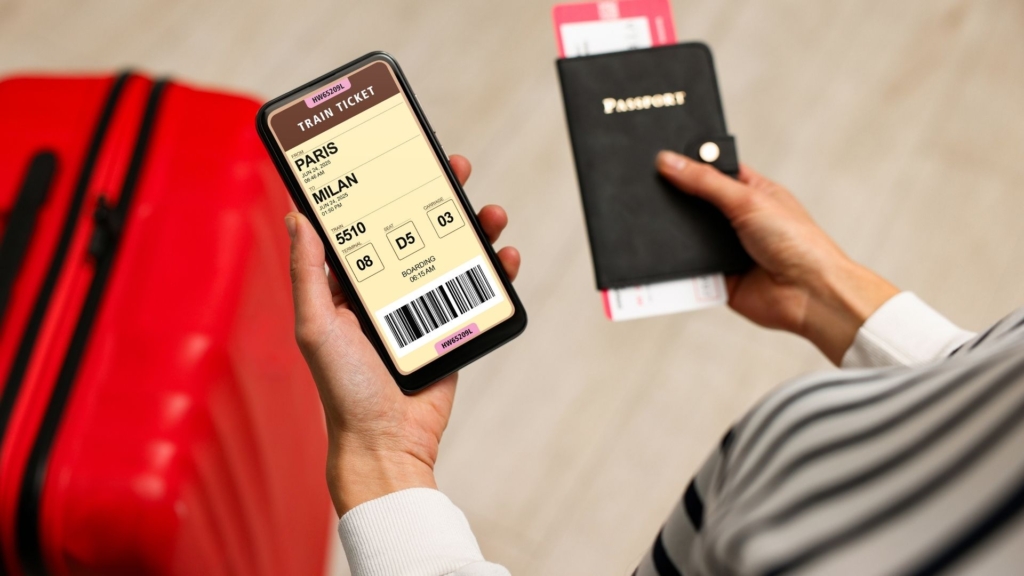
11. Keep Digital and Physical Copies of Documents
Store digital copies of:
- Passport
- Visa approvals
- Travel insurance
- Flight confirmations
- Hotel bookings
Keep them accessible offline.
If your phone battery dies or you lose connectivity, having printed confirmations can still be helpful.
Redundancy reduces panic.

12. Avoid Overloading Your Itinerary
A tightly packed schedule leaves no room for unexpected changes.
If a train is delayed or a flight shifts by a few hours, a packed itinerary collapses.
Instead of scheduling something every morning and afternoon, leave breathing space.
Uncertainty feels smaller when your schedule has elasticity.
13. Understand Airline Rebooking Rules
In many regions, passenger rights are governed by law.
For example, the European Union’s EC261 regulation outlines compensation rights for certain delays and cancellations departing from or arriving in the EU on EU carriers.
Knowing your rights — and your airline’s policies — changes your posture during disruptions.
You don’t need to argue aggressively.
But you do need to understand the framework.
14. Book the First Leg of Long-Haul Trips With Extra Care
Long-haul trips are often derailed by short-haul positioning flights.
If you must fly from a regional airport to a major international hub before crossing an ocean, give yourself ample connection time.
Even consider overnighting near the hub.
Missing a transatlantic or transpacific flight due to a short domestic delay is one of the most stressful travel scenarios.
15. Stay Calm at the First Sign of Disruption
When a flight delay is announced, stress spreads quickly through a gate area.
But acting strategically matters more than reacting emotionally.
Open the airline app.
Explore alternative flights.
Check nearby airports.
Join customer service lines while also searching online.
Calm problem-solving almost always yields better outcomes than panic.
16. Choose Accommodations With Flexible Cancellation Windows
Hotels and short-term rentals vary widely in cancellation policies.
If uncertainty is high — whether due to weather, strikes, or global events — flexible cancellation terms reduce financial risk.
It may cost slightly more upfront.
It buys peace of mind.
17. Track Global and Regional News Before Departure
Major transportation strikes, public transit shutdowns, or political demonstrations can affect movement within a destination.
Monitoring local news in the week before departure allows you to adjust early.
Information lowers surprise.
18. Protect Your Energy
Uncertain travel conditions are mentally draining.
Hydrate during flights.
Sleep before early departures.
Eat real meals instead of only airport snacks.
Take short walks during layovers.
Stress compounds when you’re physically depleted.
Resilience is partly biological.
The Real GOAT Move
The greatest travel hack in uncertain times isn’t a secret airport shortcut or a loophole in airline pricing.
It’s margin.
Margin in your schedule.
Margin in your budget.
Margin in your expectations.
Margin in your energy.
Uncertainty isn’t disappearing from global travel.
But stress doesn’t have to dominate it.
Build buffers.
Stay informed.
Pack smart.
Think ahead.
Adjust calmly.
Travel may be less predictable than it once was.
But with the right approach, it can still be deeply rewarding — even when the path there shifts.
And the travelers who master that mindset?
They’re the ones who keep going.

- 24 Authentic European Destinations You’ll Wish You Found Sooner - February 23, 2026
- The GOAT Travel Hacks for Stress-Free Trips in Uncertain Times - February 23, 2026
- Alpine Lakes Look Inviting For Nudist — But They Don’t Warm Up Like You Think - February 23, 2026