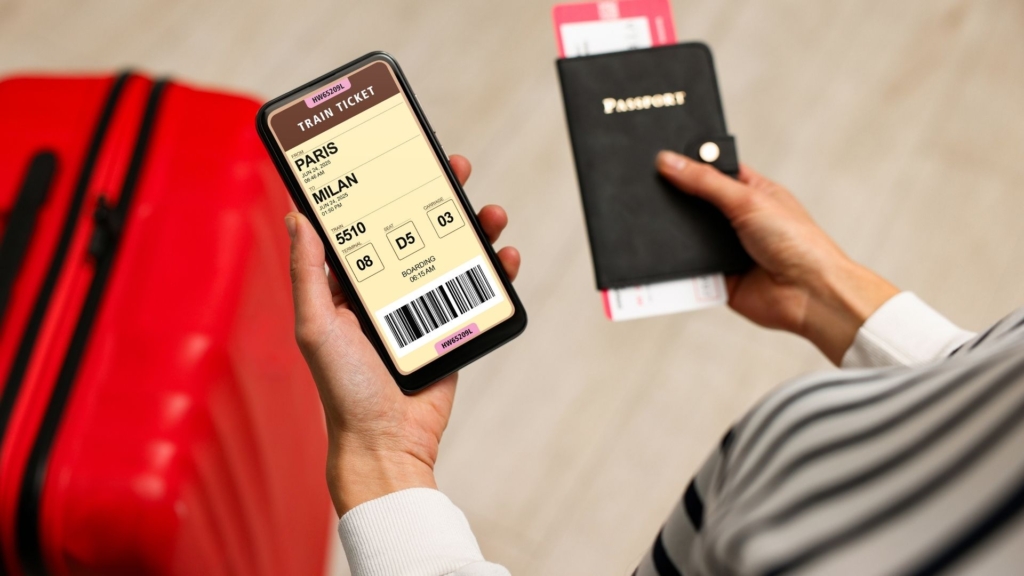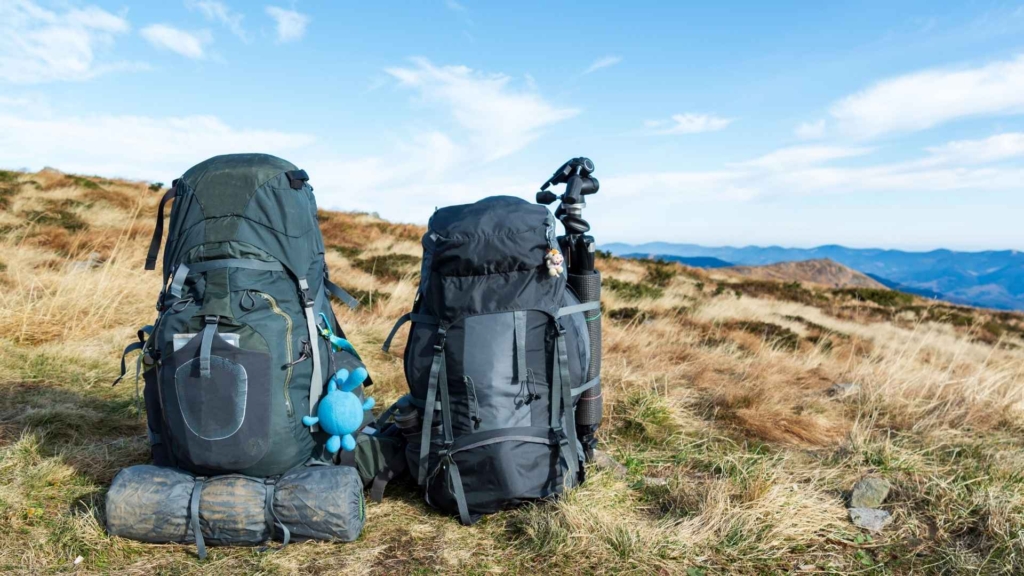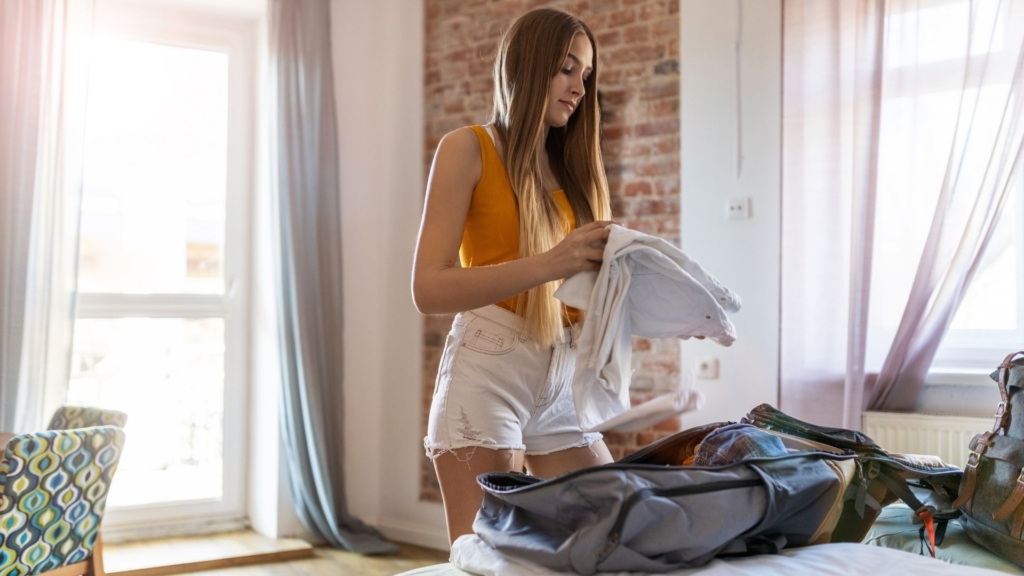
For years, baggage fees have been the silent killer of the “cheap” flight, turning a budget getaway into a triple-digit shakedown. Between checked bag gouging and the new war on carry-ons, the true cost of flying has become a moving target. On some routes, you’re dropping $80 or $100 just for the privilege of bringing your own clothes. Do the math across a year of travel, and you’re essentially funding the airline’s fuel bill.
But here’s the reality the pros won’t tell you: Baggage fees are an optional tax.
The “hack” dominating the frequent flyer circuit isn’t a scam, a sketchy loophole, or a prayer that the gate agent doesn’t notice your oversized backpack. It’s a tactical shift. The secret isn’t about suffering with less or cramming your life into a tiny box—it’s about outsmarting the system through pure strategy.
The Real Problem Isn’t the Airline — It’s the Way We Pack
Most travelers pack emotionally.
They pack for hypothetical dinners, unpredictable weather, imagined outfit changes, and “what if” scenarios that rarely materialize.
The result?
Overweight suitcases.
Checked baggage lines.
Extra fees.
Lost luggage stress.
Slower airport exits.
Harder transfers.
Airlines capitalize on that instinct.
But when you step back and examine how much you actually wear on a typical trip, the math changes.
Most people wear:
- 2–3 core outfits on repeat
- 1–2 pairs of shoes
- A single jacket
- A small set of toiletries
The rest? Backup comfort.
The packing hack that eliminates baggage fees begins with accepting a simple truth:
You need far less than you think.
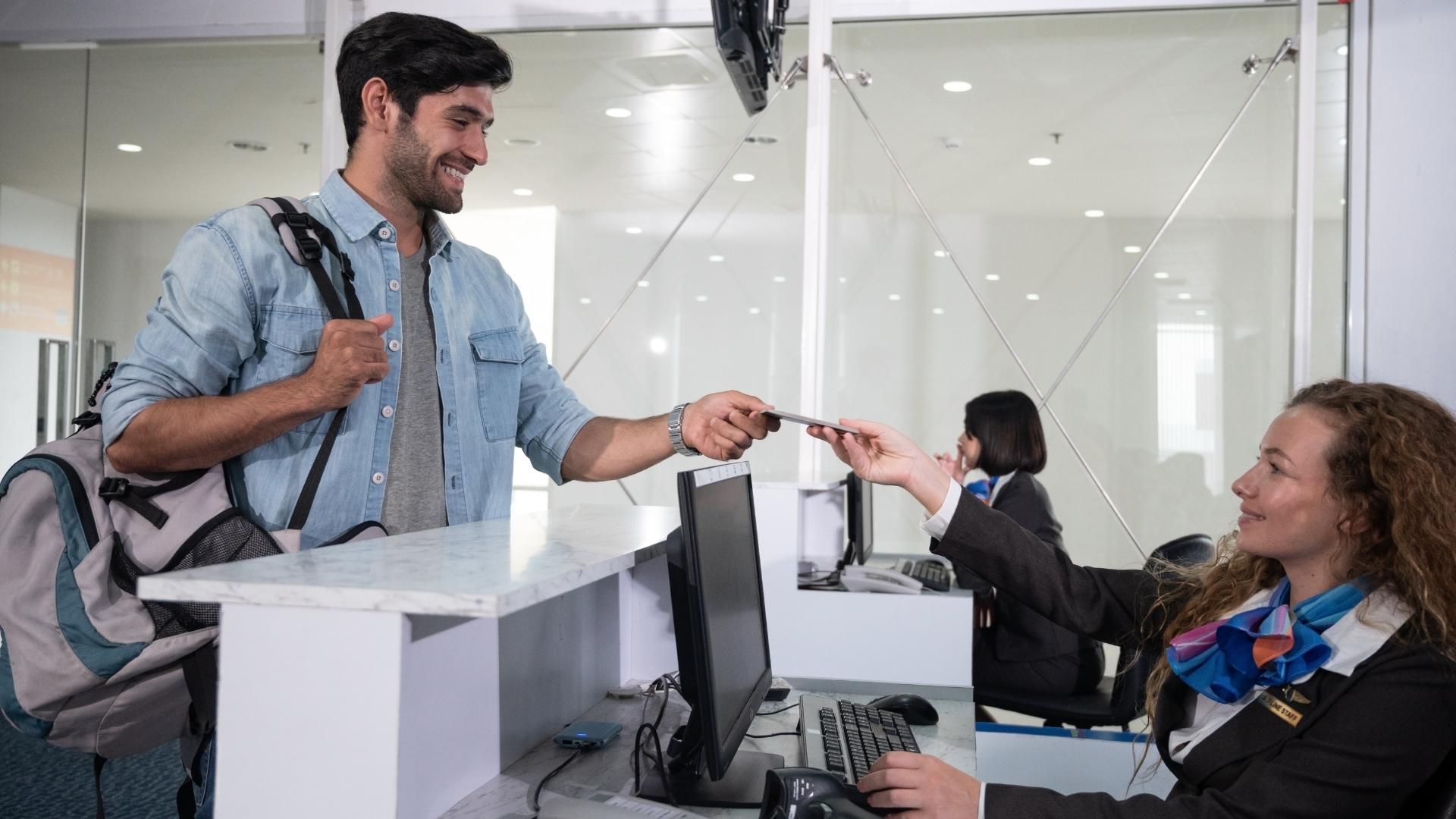
The Core Strategy: Pack for Seven Days — No Matter How Long You’re Traveling
This is the foundation.
Even if you’re traveling for 10 days, 14 days, or a month, pack for one week.
Why?
Because laundry exists almost everywhere in the world.
Hotels offer services.
Short-term rentals often include washers.
Local laundromats are widely available.
Even sink washing works in a pinch.
If you bring seven days of versatile clothing, you can recycle them indefinitely.
The moment you stop packing for the full length of your trip, you shrink your bag dramatically.
And smaller bag = no baggage fees.
The Capsule Wardrobe Rule
A capsule wardrobe isn’t a fashion trend — it’s a travel weapon.
Instead of packing individual outfits, pack interchangeable pieces.
For example:
- 3 tops that all match 2 bottoms
- 1 neutral jacket that works with everything
- 1 pair of versatile shoes
- 1 backup pair (if needed)
Stick to a cohesive color palette.
Black, navy, beige, white, gray — choose a base and build around it.
When everything matches everything, you create more outfit combinations with fewer items.
This eliminates “just in case” clothing.
The 3-Shoe Maximum (Often 2 Is Enough)
Shoes are the bulk enemy.
They’re heavy, awkwardly shaped, and take up disproportionate space.
The golden rule for baggage-fee-free travel:
Wear your bulkiest shoes on the plane.
Pack no more than two additional pairs — ideally one.
For most trips:
- One comfortable walking shoe
- One versatile shoe for dinners or evenings
That’s it.
Beach destinations? Add sandals.
Cold climates? Wear boots in transit.
Shoes should serve multiple functions.
If they don’t, they don’t make the cut.
The Compression Method That Actually Works
Packing cubes aren’t new.
But compression packing cubes are changing the game.
Unlike standard cubes, compression cubes zip down to reduce bulk. They don’t magically remove weight, but they dramatically reduce volume.
That matters because airline carry-on size restrictions are about dimensions.
With compression cubes:
- Clothing stays organized.
- Air is squeezed out.
- Space becomes predictable.
- You avoid chaotic overstuffing.
Rolling clothes tightly before placing them in cubes maximizes compression.
The result?
A carry-on that looks smaller than it is.
The Personal Item Strategy
Most airlines allow:
- One carry-on bag
- One personal item
The personal item — often a backpack or tote — is underutilized.
This is where smart travelers gain space.
Your personal item can carry:
- Toiletries
- Electronics
- Chargers
- Travel documents
- A change of clothes
- Snacks
When structured properly, your main carry-on becomes pure clothing storage.
Some travelers even choose larger backpacks that technically qualify as personal items under airline size limits.
No deception.
No bending rules.
Just smart use of allowed space.
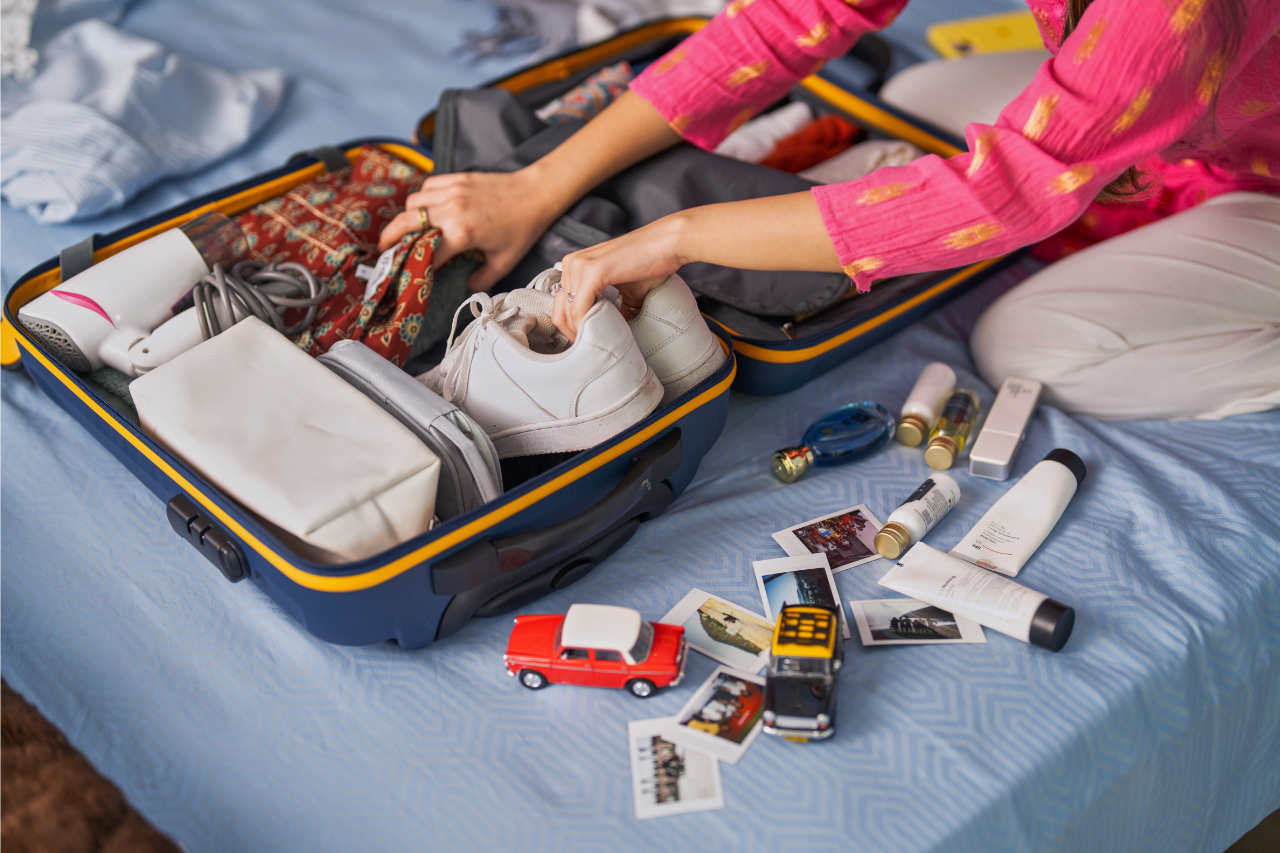
The Toiletry Slim-Down
Full-size toiletries are a rookie mistake.
Most trips require:
- Travel-sized containers
- Refillable bottles
- Solid alternatives (shampoo bars, solid deodorant)
Many hotels provide shampoo and soap. You don’t need to pack backup liters.
Consider:
- Toothpaste tablets
- Multi-use moisturizer
- A single compact grooming kit
Toiletries are often half air.
Reduce volume, reduce weight, reduce bulk.
The Wear-It-On-The-Plane Hack
Airports are fashion runways for comfort.
Wear:
- Your heaviest jacket
- Your bulkiest sweater
- Your largest shoes
Even if you remove layers once onboard, they don’t count against luggage size.
This is particularly effective for cold-weather travel.
Bulky coats can consume half a carry-on.
Wearing them eliminates the problem.
The Laundry Mindset Shift
The fear of laundry stops many travelers from downsizing.
But laundry abroad is rarely complicated.
In fact, it can become part of the experience.
Drop-off services in many countries are inexpensive.
Coin laundries are straightforward.
Hotel services are convenient for mid-trip resets.
Washing clothes once during a two-week trip is far cheaper than paying round-trip baggage fees.
And it keeps your suitcase lighter for the return journey.
Digital Packing Lists Over Mental Guessing
Mental packing is emotional packing.
Use a digital packing list.
Write it down.
Refine it.
Reuse it.
Edit it after each trip.
After a few journeys, you’ll notice patterns:
Items never worn.
Items always worn.
Items that could have stayed home.
Refining your list eliminates overpacking permanently.
Choose the Right Carry-On
Not all carry-ons are equal.
A structured, lightweight, airline-compliant bag makes everything easier.
Look for:
- Maximum allowable dimensions
- Lightweight materials
- Durable wheels or comfortable straps
- Expandable but compressible design
Some travelers prefer hard-shell roller bags.
Others prefer soft backpacks.
Choose what aligns with your mobility style.
Cobblestones? Backpack.
Urban business travel? Roller.
The right bag supports the strategy.
The Financial Math
Let’s say you fly four round trips per year.
Average checked bag fee: $70 round trip.
That’s $280 annually.
Over five years? $1,400.
And that’s for one traveler.
Multiply by two travelers and the savings compound quickly.
Eliminating baggage fees isn’t just convenient.
It’s financially strategic.
The Hidden Benefits Beyond Money
Avoiding baggage fees does more than protect your wallet.
You:
- Skip baggage claim lines.
- Reduce lost luggage risk.
- Move faster between connections.
- Exit airports quicker.
- Feel lighter physically and mentally.
Mobility changes travel energy.
You stop being anchored to logistics.
When Checking a Bag Still Makes Sense
There are exceptions.
Ski trips.
Extended relocation moves.
Special equipment travel.
Formal events requiring unique attire.
But for typical leisure or city travel?
Carry-on is sufficient.
The hack isn’t about never checking a bag again under any circumstance.
It’s about recognizing how often you don’t need to.
Why Airlines Can’t “Fix” This Hack
Airlines charge for checked bags because:
- It generates revenue.
- It reduces boarding congestion.
- It manages weight distribution.
But as long as carry-on allowances exist, smart packing remains within policy.
There’s no rule being broken.
You’re simply optimizing within the system.
The Real Secret
The packing hack everyone’s talking about isn’t a viral trend.
It’s discipline.
It’s editing.
It’s planning.
It’s resisting emotional packing.
It’s trusting that you’ll adapt.
The first time you travel with only a carry-on, it may feel uncomfortable.
The second time, it feels efficient.
By the third trip, you’ll wonder why you ever hauled a 50-pound suitcase through an airport.
The Real Takeaway
Never paying baggage fees again isn’t about beating airlines.
It’s about beating your own overpacking habits.
Pack for seven days.
Build a capsule wardrobe.
Use compression cubes.
Maximize your personal item.
Wear your bulkiest items in transit.
Embrace mid-trip laundry.
Refine your packing list.
Do that, and baggage fees become optional — not inevitable.
And once you experience the freedom of walking straight out of the airport while others wait at the carousel?
You’ll never go back.

- Stop Overpaying: The Viral ‘Wearable Luggage’ Hack That Airlines Are Desperately Trying to Patch - March 29, 2026
- The ‘Bar-Seating’ Loophole: How to Skip the 2-Hour Wait and Save 15,0% at Europe’s Hottest Spots - March 29, 2026
- These Coffee Trends Are Quietly Showing Up in Cafés Worldwide - March 29, 2026