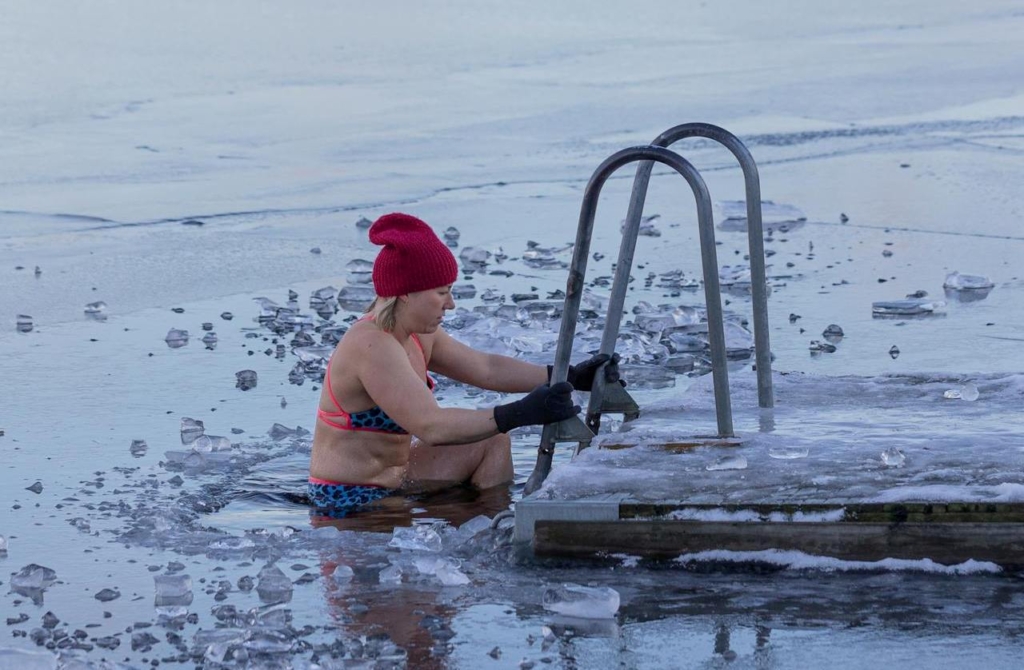
In the world of wellness trends, few ideas have gained as much attention recently as cold exposure. Ice baths, cold plunges, and freezing showers have become popular among athletes, entrepreneurs, and fitness enthusiasts searching for ways to improve performance and recovery.
But a newer version of the trend is beginning to spread online: “cold microdosing.”
Instead of spending long periods in ice baths, cold microdosing focuses on extremely short bursts of cold exposure—sometimes just one or two minutes in ice-cold water. Advocates claim that these quick sessions can boost energy, improve mood, enhance metabolism, and even deliver benefits comparable to long cardio workouts.
It’s a bold claim, and while some parts of it are grounded in real science, others are more complicated than social media posts suggest.
To understand why cold microdosing is gaining attention, it helps to explore what actually happens inside the body when you step into freezing water.
What Is Cold Microdosing?
Cold microdosing refers to very short exposures to cold water, usually lasting between 30 seconds and two minutes.
Unlike traditional ice baths, which athletes sometimes use for 10 to 15 minutes, this approach focuses on brief but intense cold shocks.
Common methods include:
- Ending a shower with one to two minutes of cold water
- Brief cold plunges in ice baths
- Short dips in cold lakes or oceans
- Cold water face immersion
The idea is to trigger the body’s natural stress response without requiring long periods of discomfort.
Supporters say this short exposure activates powerful physiological reactions that can improve both mental and physical health.
The Immediate Shock Response
When the body is suddenly exposed to cold water, it reacts instantly.
The nervous system triggers what researchers call the cold shock response, which includes several rapid changes:
- Faster breathing
- Increased heart rate
- Constriction of blood vessels near the skin
- Release of stress hormones
These reactions help the body preserve heat and maintain internal temperature.
Although the experience can feel intense at first, the body adapts quickly.
Within seconds, many people report feeling more alert and energized.
The Role of the Nervous System
One of the main reasons cold exposure attracts attention is its effect on the nervous system.
Cold water stimulates the sympathetic nervous system, which controls the body’s “fight or flight” response.
This system releases chemicals such as adrenaline and norepinephrine, which increase alertness and focus.
Short cold exposures may therefore produce a temporary boost in energy similar to the effect of strong coffee.
Researchers have also studied how cold exposure may influence mood.
Some studies suggest that cold water immersion can increase levels of neurotransmitters associated with improved mood and mental clarity.
This is one reason some people incorporate cold showers into their morning routines.
Can Cold Exposure Replace Cardio?
The most dramatic claims about cold microdosing suggest that two minutes of cold water can replace an hour of cardio exercise.
This statement is misleading.
Cold exposure does increase metabolic activity because the body must work harder to maintain its internal temperature. This process can burn additional calories.
However, the calorie burn from short cold exposure is generally far lower than what occurs during sustained aerobic exercise.
Cardio workouts—such as running, cycling, or swimming—engage large muscle groups continuously, improving cardiovascular fitness, endurance, and heart health.
Cold water exposure cannot replicate those effects.
While cold therapy may support recovery or metabolism, it should not be viewed as a substitute for regular physical activity.
Brown Fat Activation
One scientifically supported benefit of cold exposure involves a type of tissue known as brown adipose tissue, commonly called brown fat.
Unlike typical body fat, brown fat generates heat by burning calories.
Cold environments activate brown fat, which helps the body maintain temperature.
Some researchers believe that repeated cold exposure may increase brown fat activity, potentially improving metabolic efficiency.
This process is sometimes cited as evidence that cold exposure helps with fat burning.
However, the effect is usually modest and varies widely between individuals.
Cold showers alone are unlikely to produce dramatic weight loss.
Mental Resilience and Stress Tolerance
Another benefit frequently associated with cold exposure is improved stress tolerance.
Short bursts of cold force the body to remain calm under physical discomfort.
For many people, learning to breathe slowly and relax during cold exposure can create a sense of mental control.
This practice overlaps with techniques used in mindfulness training and controlled breathing exercises.
Advocates say that regularly practicing cold exposure can help build resilience, making everyday stress feel easier to manage.
While this effect is difficult to measure scientifically, many people report feeling more focused and energized after brief cold plunges.
Athletes Have Used Cold Therapy for Years
Cold water immersion is not a new concept in sports science.
Professional athletes have used ice baths for decades to support recovery after intense training sessions.
Cold exposure may help reduce inflammation, limit muscle soreness, and accelerate recovery between workouts.
However, most sports recovery protocols involve longer ice baths rather than short cold microdoses.
Athletes also typically use cold exposure as a supplement to training, not a replacement for exercise.
The modern microdosing trend simply adapts this concept into a faster daily routine.
The Social Media Effect
Cold microdosing has exploded in popularity largely because of social media.
Videos of people plunging into ice baths or ending showers with freezing water have become extremely common online.
Wellness influencers and entrepreneurs often promote the practice as a quick biohacking tool for improving productivity, mood, and fitness.
The appeal is obvious: two minutes of discomfort feels much easier than an hour of exercise.
But as with many viral health trends, the reality is more nuanced than the online hype.
Cold exposure can support certain aspects of wellness, but it does not replace the broader benefits of a balanced fitness routine.
Who Should Be Careful With Cold Exposure
Although cold showers are generally safe for healthy individuals, they are not appropriate for everyone.
People with certain medical conditions—especially heart or circulation issues—should consult a doctor before experimenting with intense cold exposure.
The cold shock response can temporarily raise blood pressure and heart rate.
Sudden cold immersion in open water can also be dangerous without proper precautions.
For beginners, experts usually recommend starting gradually by ending a warm shower with 20–30 seconds of cooler water before progressing to colder temperatures.
How to Try Cold Microdosing Safely
For those curious about experimenting with cold exposure, starting slowly is key.
A typical beginner routine might include:
- Ending a warm shower with 30 seconds of cold water
- Gradually increasing the duration to one or two minutes
- Practicing slow, controlled breathing during the cold exposure
Consistency tends to matter more than extreme intensity.
Short, regular exposures allow the body to adapt over time.
The goal is not to endure maximum discomfort but to trigger the body’s natural adaptive responses.
The Bottom Line
Cold microdosing has become one of the fastest-growing wellness trends, promising quick bursts of energy, improved mood, and metabolic benefits from just a few minutes of cold exposure.
There is real science behind some of these effects. Cold water can stimulate the nervous system, activate brown fat, and potentially improve recovery and alertness.
However, the idea that two minutes of cold water can replace an hour of cardio is exaggerated.
Exercise still plays an essential role in cardiovascular health, endurance, and overall fitness.
Cold exposure may be a useful addition to a wellness routine—but it works best as a complement to exercise, not a substitute.
For people willing to endure a brief shock of icy water each day, the reward might be a refreshing boost of energy and resilience—without spending hours in the gym.