There are places that seem painted rather than formed — water impossibly clear, mountains rising like ancient sentinels, air cool and vivid. In the Alps, stretching across Switzerland, Austria, Italy, France, Slovenia, and Germany, lakes shimmer like bowls of turquoise glass, born from glaciers and glowing beneath the summer sky.
And when you reach one of these impossibly blue lakes after a long hike — sweaty, exhilarated, and surrounded by nature — the temptation hits:
“What if I just jumped in?”
For many Europeans, especially in German-speaking and Nordic cultures, nudity and swimming outdoors are treated with a casualness Americans often find surprising. But here’s the thing: even in places where going naked isn’t considered scandalous, there’s a hidden truth that catches unprepared travelers off guard.
In the Alpine region, swimming naked in certain lakes — even during the peak of summer — isn’t just daring or chilly.
It can be genuinely dangerous.
Not because of laws.
Not because of crowds.
Not because of social norms.
But because of a natural phenomenon that doesn’t care how beautiful the scenery looks:
the physics of cold water and the way it shocks the human body.
Let’s break down the surprising (and often underestimated) reasons why skinny-dipping in certain Alpine lakes is a risk — and why locals know better, even if Instagram doesn’t.
The Beauty of Alpine Lakes: Deceptively Inviting
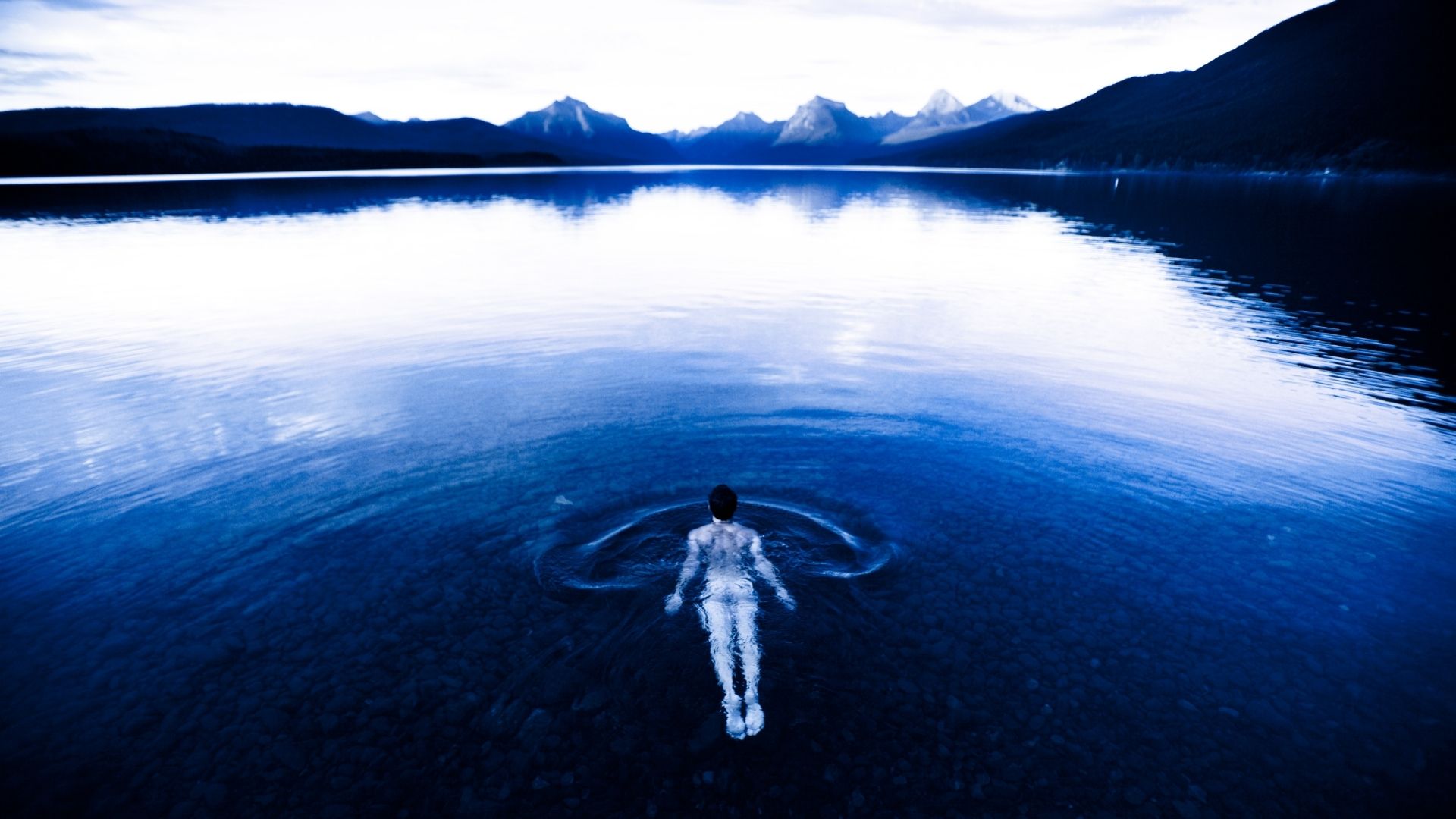
High-altitude lakes are some of the most stunning natural pools in the world. Viewed from the trail, they sparkle like glass. Their colors shift from emerald green to glacier blue depending on depth, sunlight, and minerals in the mountainside.
But their beauty hides the truth:
Most of these lakes are fed by:
- glacial runoff
- underground springs
- snowmelt
- mountain streams
Which means:
Their water remains cold — very cold — even in August.
Some Alpine lakes don’t rise above 10°C (50°F) in midsummer.
Many sit between 4°C and 12°C (39°F–54°F).
Even the warmest rarely reach the temperatures Americans associate with “refreshing swimming water.”
Step into that naked, and you’re in for a shock far beyond the thrill of a daring dip.
Cold Shock Response: The Hidden Danger Nobody Warns You About
There is a physiological phenomenon that hits the moment your bare skin makes contact with near-freezing water. It’s called the cold shock response — and it’s the real reason you should be cautious about swimming naked in certain Alpine lakes.
Cold shock response can include:
- involuntary gasping
- hyperventilation
- panic
- rapid increase in heart rate
- loss of breath control
- a surge of adrenaline
- tightening of chest muscles
- disorientation
- the sensation of breath “being knocked out of you”
This happens within seconds. Not minutes — seconds.
And it doesn’t matter if you’re:
- fit
- experienced
- young
- healthy
- a confident swimmer
Your body reacts automatically.
The cold doesn’t care about your bravado.
Add nudity — exposure of the entire body — and the shock is even more intense.
Why Naked Swimmers Are at Greater Risk
Most people think the danger comes from modesty or from the cold itself.
Not quite.
Here’s why swimming naked amplifies the risk:
1. No insulation
Swimwear doesn’t offer much warmth, but it does provide slight insulation to the core. Naked skin absorbs cold instantly.
2. No psychological buffer
Stripping down increases vulnerability, which can heighten panic when the cold shock hits.
3. More surface area exposed to cold
Your entire body is suddenly immersed, not just your limbs or torso.
4. No grip, no friction
Naked bodies can slip on wet rocks more easily — a surprisingly common problem near Alpine lakes.
5. No immediate re-warming layer
Clothes offer a post-swim buffer; stripping leaves you fully exposed to cold wind, altitude, and evaporative chill.
6. Men experience even more immediate shock
Blood vessels constrict dramatically in cold water, and full exposure intensifies the jolt.
The combination of cold shock + nudity doesn’t just lead to discomfort.
It leads to loss of control — and that’s where real danger lives.
Water That Looks Calm Can Steal Your Strength Fast
The next danger after cold shock is cold-induced muscle impairment.
Even if you fight through the initial gasp and panic, something else begins quietly:
- muscles stiffen
- coordination declines
- strength fades
- limbs feel heavy
- swimming becomes harder
In 4°C–10°C water, this can happen in less than a minute.
This is why experienced Alpine hikers often sit, splash water on their arms first, or enter slowly instead of jumping in — even when they’ve seen these lakes dozens of times.
Altitude Makes Everything Worse
At higher elevations, your body is already dealing with:
- lower oxygen
- increased heart rate
- slight dehydration
- sun exposure
- fatigue from elevation gain
Add a sudden cold-water shock and your cardiovascular system gets hit with a one-two punch.
This is why even strong, athletic travelers sometimes panic, choke, or feel faint when trying to swim in Alpine lakes.
Nudity removes the psychological layer of protection and magnifies the intensity of the transition.
The “I’ll Just Jump In Quickly” Myth
Travelers often assume that the danger lies in staying in the water too long. So they think:
“I’ll just jump in for a second and leave.”
This is exactly the scenario that causes most accidents.
Jumping in naked exposes the body instantly and violently to the cold. The shock is far more intense than gradual entry. The naked swimmer is more likely to:
- gasp uncontrollably
- inhale water
- choke
- disorient
- panic
- fail to swim properly
- struggle to return to shore
It’s not stamina that fails — it’s the involuntary systems that react first.
The Instagram Problem: Beautiful Water Doesn’t Equal Safe Water
Social media is filled with people posing on rocks, floating on clear surfaces, or slipping into perfect turquoise water. What the photos don’t show:
- the 30 seconds they were actually in the water
- the struggle to breathe after getting out
- the shivering that lasted 20 minutes
- the frantic scramble back to dry clothes
- the uncomfortable shock of being fully exposed
What looks serene on a screen may have been a chaotic, breath-stealing moment in reality.
Alpine beauty is photogenic — not necessarily swimmable.
Cultural Differences: Europeans Know the Limits
Many Americans assume Europeans swim naked everywhere because nudity is casual.
Not exactly.
In Alpine regions, locals actually avoid naked swimming in high-altitude lakes, especially in glacial ones. They do swim — but usually:
- with partial insulation
- near the shoreline
- for very brief moments
- after acclimating themselves
- with dry gear nearby
- in lower-altitude lakes that are warmer
They know the cold.
They know the shock.
They know the risks.
It’s often tourists — especially those unfamiliar with cold-water physiology — who underestimate the danger.
The Hidden Danger After the Swim: Rapid Cooling and Altitude Wind
Getting out of cold water is only half the battle.
When you’re naked at elevation:
- evaporative cooling hits hard
- wind chill amplifies cold by several degrees
- body temperature keeps dropping
- you can’t warm up instantly
- hypothermia risks increase even in warm weather
Sunlight at altitude can be deceptive.
Shade near the lake can be shockingly cold.
And once your core temperature drops, it’s slow to recover.
Clothing protects you from this. Nudity removes that safety net.
So Should You Never Swim in Alpine Lakes?
Not at all.
Swimming in Alpine lakes can be magical — if done safely.
But the key is understanding which lakes are safe for full immersion, which are better for wading, and which demand caution.
Here’s the general rule seasoned hikers use:
If the lake is fed directly by glacier melt, don’t swim naked and don’t jump in. Enter slowly, keep it brief, and stay close to shore.
If the lake:
- sits below the treeline
- is warmed by sun exposure
- has shallower water
- has sandy or rocky beaches where locals swim
- sits at a lower elevation
then swimming is far safer — clothed or not.
Nudity isn’t the issue.
The cold is.
Nudity just removes every buffer your body has.
Signs a Lake Is Too Cold for Naked Swimming
Travelers should stay cautious if:
- the water is clear with a turquoise glacial tint
- the lake sits above 1,800 meters
- streams of snowmelt feed into it
- there’s no vegetation around the edges
- the lake is bitterly cold on your feet
- locals only sit near it but don’t swim
- there’s still snow nearby
- the water feels instantly painful
If any of those apply, do not jump in naked — or at all without acclimating.
How to Enjoy Alpine Lakes Safely
Here’s how locals and experienced hikers enjoy the lakes without risking their safety:
1. Enter slowly
Let your body adjust before going deeper.
2. Keep swims short (30–90 seconds)
Even clothed, prolonged swimming is risky in very cold water.
3. Keep clothes within arm’s reach
Don’t leave your warm layers far away.
4. Dry off immediately
Wind will cool you fast.
5. Avoid remote lakes if alone
Cold shock plus solitude is a dangerous combination.
6. Never dive or jump
You need breath control before immersion.
7. If you want to swim naked, choose low-altitude lakes
These warm up more in summer.
8. Respect your body’s limits
Shivering, dizziness, and breathlessness are stop signs.
Conclusion: The Danger Isn’t Nudity — It’s the Cold You Can’t See
Alpine lakes are some of the most breathtaking places on the planet.
Swimming in them can be extraordinary.
Skinny-dipping in nature can feel wild, free, and unforgettable.
But nature demands respect.
In the mountains, beauty can deceive.
Crystal-clear water can hide life-threatening temperatures.
Sunlit landscapes can disguise cold shock risks.
And nudity — which lowers your body’s defenses — can turn a thrilling moment into a dangerous one in seconds.
You don’t have to avoid Alpine lakes.
You just have to understand them.
Clothed or unclothed, the key to enjoying them safely is simple:
Respect the cold. Respect the elevation. And never underestimate what lies beneath the surface — even on the warmest day of summer.

- 24 Authentic European Destinations You’ll Wish You Found Sooner - February 23, 2026
- The GOAT Travel Hacks for Stress-Free Trips in Uncertain Times - February 23, 2026
- Alpine Lakes Look Inviting For Nudist — But They Don’t Warm Up Like You Think - February 23, 2026